Texting is one of the most used channels there is: Americans exchanged nearly 2.2 trillion SMS and MMS messages in 2024, according to CTIA's 2025 Annual Survey. That reach is why SMS marketing has become such an influential part of marketing today. Here are some tips for getting the most out of your SMS marketing campaign.
What is an SMS Message Campaign?
An SMS message campaign is a way for businesses to reach their customers by sending short text messages directly to their phones. These messages can be about promotions, reminders, or updates. SMS campaigns are different from email campaigns because they are more direct and personal, making them a powerful tool in a business’s marketing strategy.
Why SMS Campaigns Are Essential for Businesses
High Open Rates and Engagement
SMS marketing reaches customers in the same inbox they use for personal texts, so a relevant message is likely to be seen. Treat published "open rate" figures with caution, though: standard SMS has no read receipts, and messaging providers report a "read" status only for channels such as RCS and WhatsApp (Twilio). This makes SMS marketing an essential part of any business strategy.
Direct and Personal Communication
SMS allows businesses to send messages straight to their customers’ phones, making the communication direct and personal. This type of marketing helps build a strong connection between a business and its customers, which can lead to more sales.
Cost-Effectiveness of SMS Marketing
SMS marketing is also cost-effective, especially for small businesses. Sending SMS messages is affordable, and the high engagement rates offer a strong return on investment. This makes SMS one of the best marketing tools for businesses on a budget.
Key Strategies for Successful SMS Campaigns
Step 1: Ask Permission
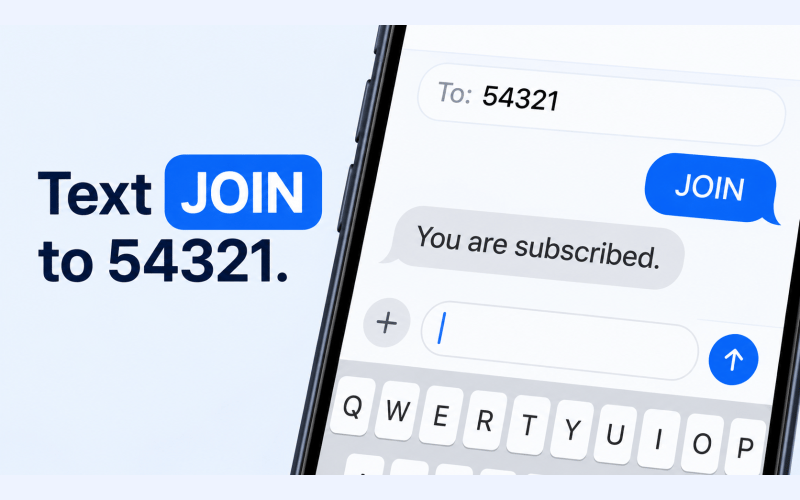
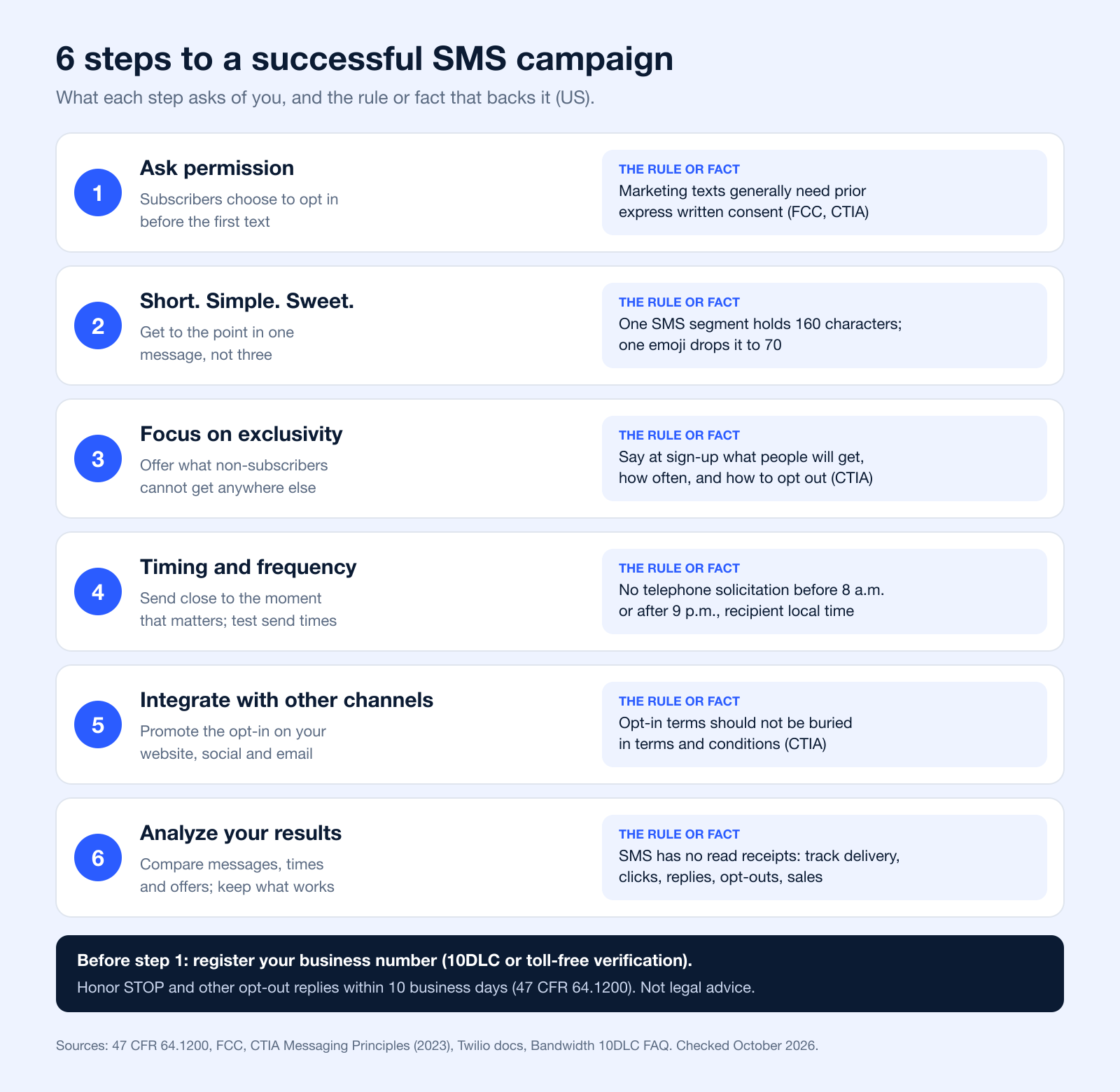
In order to get high engagement, your customers must want to receive your text messages. By asking permission, you are allowing for an opt-in decision. Your client-base will not feel as if you are being invasive since they have chosen to participate in your marketing campaign. In the US, permission is also a rule: autodialed marketing texts generally need the recipient's prior express written consent (47 CFR 64.1200; FCC), and the CTIA guidelines carriers follow expect written consent for marketing messages (CTIA). Our guide to express written consent explains what that looks like.
Step 2: Short. Simple. Sweet.
People these days are on-the-go and crave convenience. Nobody wants to read a long, lengthy text message that separates into more messages and makes your phone buzz three times while you are in a meeting. A single SMS segment holds 160 standard characters; longer texts are split into segments, and one emoji lowers the limit to 70 characters (Twilio). The faster you get to the point of your message, the better.
Use caps sporadically for keywords such as, OFFER, SALE, DISCOUNT, EVENT, or RSVP. Eliminate the use of acronyms that are not widely known. Remember, your main objective is to communicate effectively to your clients by giving them important information that they will understand for your text message marketing campaign.
Step 3: Focus on Exclusivity
This is one of the biggest advantages in using a SMS marketing campaign. You want to make sure that the information offered through mass texting is unique and unattainable to those who aren’t subscribed. Likewise, this information should not be able to be found on any other media platforms or mediums.
Step 4: Understand Timeliness. Frequency is Key.
Using SMS gets your message seen. Testing different times when sending an SMS messages will help you understand the best time your audience responds, within the federal quiet hours: no telephone solicitations before 8 a.m. or after 9 p.m. in the recipient's local time (47 CFR 64.1200(c)(1); some states are stricter, and our guide to send time optimization covers testing). For example, if hosting a webinar you may want to send out a reminder text 30 minutes prior in order to increase attendance. If you are planning an event or hosting a sale, send your subscribers a text message the night before or the day of the event. Your audience will easily forget if the message was sent a week prior to the event. Along with timeliness comes frequency.
You don’t want to spam your customers, however, you don’t want them to feel neglected either. Daily messages cause subscribers to stop engaging or to opt-out altogether. A common rule of thumb with SMS marketing campaigns is to follow a 4-6 messages a month, or 1-2 messages a week maximum. Less is more. Whatever frequency you choose, tell people at sign-up: CTIA expects the opt-in confirmation to say that messages are recurring and how often they will arrive (CTIA 5.1.2.1). Prioritize consistency to sustain the loyalty of your customers as well as increase business.
Step 5: Integrate With Other Marketing Strategies
If you are popular on a social media page or have your own website, share the opportunity of opting into exclusive deals or information your business has to offer. When creating these SMS messages, you can also provide a link to your social media page(s) or website. Doing this broadens your audience because you are expanding your marketing campaign through various mediums, and therefore, potentially reaching more customers.
Step 6: Analyze Your Results
It is crucial to have an integrated system that provides feedback and statistics about your marketing campaign. This also gives the opportunity to try new things and experiment different time schedules, etc. Compare different outcomes and formulate the best approach that drives the most results.
If you aren’t reaping the benefits SMS messaging is capable of, you are missing out on a lucrative opportunity to generate sales and increase the exposure of your business.
Measuring the Success of Your SMS Campaigns
Key Performance Indicators (KPIs) to Track
To know if your SMS campaigns are working, you need to track certain metrics through analytics and reporting. These include delivery rates, click-through rates, replies, opt-out rates and conversion rates. Standard SMS has no read receipts, so "open rates" cannot be measured directly (Twilio). By keeping an eye on these KPIs, you can see what’s working and what needs to be improved.
Using Analytics to Optimize Campaigns
Use the analytics tools provided by your SMS platform to optimize your campaigns. This means looking at the data to see when your messages get clicks and replies and what kinds of messages are getting the best responses. With this information, you can adjust your strategy to get even better results.
Common Mistakes to Avoid in SMS Campaigns
Overloading Subscribers with Messages
Sending too many messages may cause customers unsubscribing from your SMS list. To avoid this, make sure each message you send is valuable and that you don’t send them too often.
Ignoring Compliance Regulations
Always make sure your SMS campaigns comply with regulations. This includes getting explicit permission from your customers before you start sending messages and providing an easy way for them to opt out if they no longer wish to receive messages. Federal rules treat replies such as STOP, QUIT, END, REVOKE, OPT OUT, CANCEL or UNSUBSCRIBE as a valid opt-out and require honoring it within ten business days (47 CFR 64.1200(a)(10)). Business texts from local numbers also need 10DLC registration: since February 1, 2025, unregistered traffic is blocked in the industry (Bandwidth). See our guide to unsubscribe text messages for opt-out wording. This is general information, not legal advice.
Neglecting Data Privacy and Security
Data privacy is important in SMS marketing. Make sure that your customers’ phone numbers and other personal information are kept secure and that you’re following all relevant data protection laws.
Conclusion
SMS campaigns are a powerful tool for businesses looking to connect with their customers. By following the strategies outlined in this guide, you can create effective SMS marketing campaigns that drive engagement and increase sales. For a longer checklist, see our SMS marketing best practices. Whether you’re a small business or a large company, SMS should be an essential part of your marketing strategy. Start a SMS marketing campaign today!
Frequently Asked Questions
What are SMS Marketing Campaigns?
SMS marketing campaigns are strategies where businesses use SMS messages, or text messages, to send sms online directly to their customers' mobile phones. These campaigns can include promotions, updates, appointment reminders, and more. Businesses often use SMS marketing because it allows them to reach their customers quickly and effectively. With high open rates, SMS marketing campaigns are an effective way to engage with existing customers and encourage them to take action, such as making a purchase or signing up for a service.
Are SMS Campaigns Worth It?
Yes, SMS campaigns are worth it for many businesses. One of the main reasons is the high engagement rate of SMS messages compared to other forms of marketing. Texts arrive in the same inbox people use for personal messages, making them an excellent way to deliver time-sensitive marketing messages. SMS marketing is also cost-effective, allowing businesses to send personalized messages at a low cost. For businesses looking to improve their marketing strategy, SMS campaigns can lead to higher conversion rates and increased customer loyalty.
How to Make an SMS Campaign?
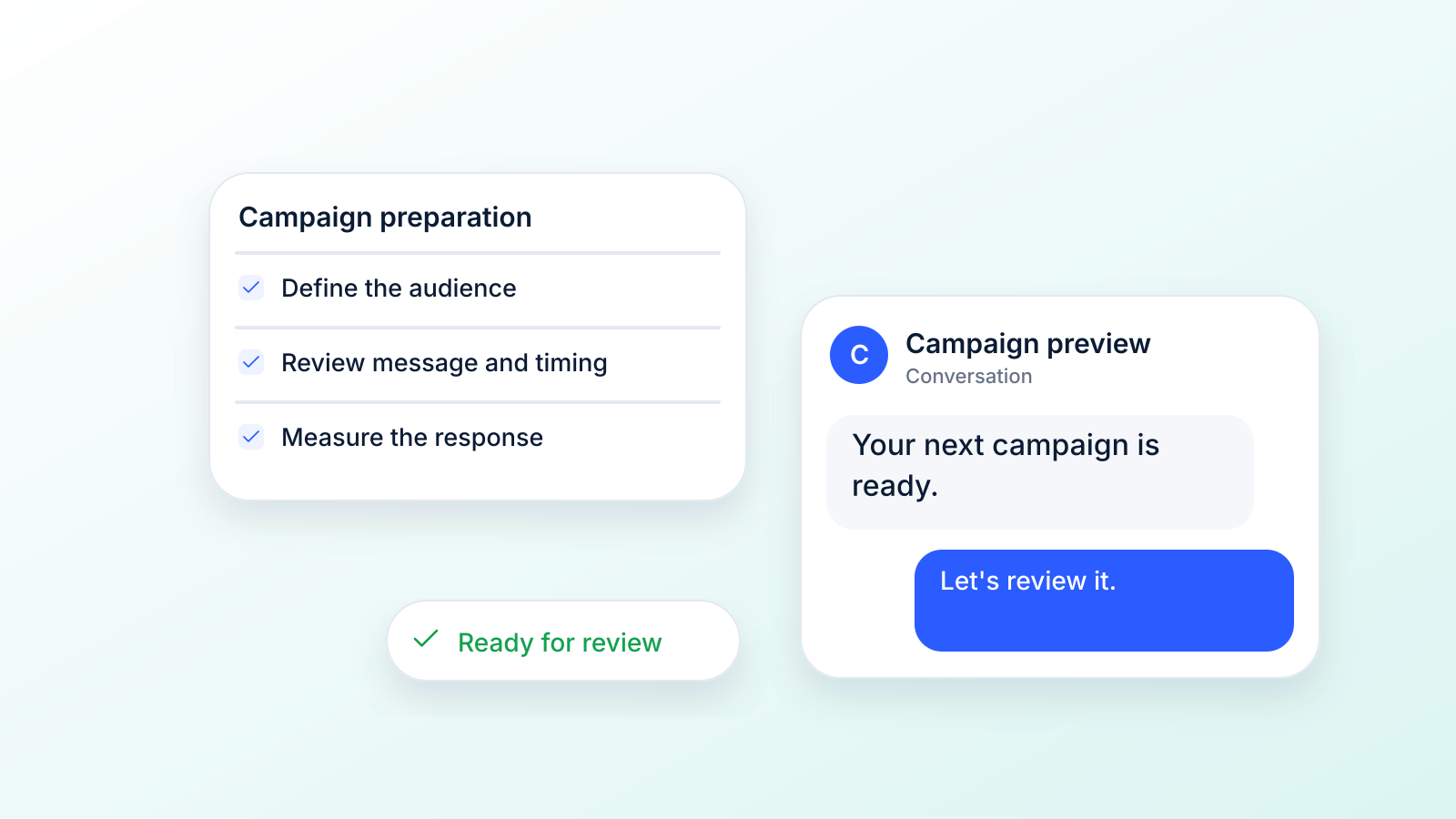
To make an SMS campaign, follow these steps:
- Build Your SMS List: Start by collecting phone numbers from your customers. Ensure you get their consent through an opt-in message to comply with regulations; for marketing texts that generally means prior express written consent (FCC).
- Choose the Right SMS Marketing Platform: Select a platform that allows you to send messages efficiently, track results, and integrate with your other marketing tools.
- Craft Your Messages: Write short, clear, and engaging text messages. Make sure your message straight to the point, and include a strong call-to-action, like a discount code or a link to your website.
- Set Up Automation Features: Use automation to send messages at the right time, such as sending a welcome message to new subscribers or abandoned cart messages to remind customers of unfinished purchases.
- Test and Optimize: Monitor your SMS campaign's performance by tracking metrics like open rates and conversion rates. Use this data to make adjustments and improve your strategy.
What is the Best Industry for SMS Marketing?
SMS marketing can be effective across various industries, but it works particularly well in retail, healthcare, and services. For example, retail businesses often use SMS campaigns to send flash sales, discount codes, and abandoned cart messages to drive more sales. Healthcare providers use SMS messages for appointment reminders and follow-ups, reducing missed appointments. The service industry benefits from using SMS to confirm bookings, send updates, and keep customers informed in real-time. These industries see high engagement and ROI from SMS marketing campaigns.
Is SMS an Effective Marketing Tool?
Yes, SMS is a powerful marketing tool. It allows businesses to reach customers directly on their mobile devices with personalised marketing messages. SMS is especially useful for sending time-sensitive information, such as flash sales or appointment reminders. The simplicity and immediacy of SMS make it a valuable addition to any marketing strategy. Whether you’re looking to increase customer engagement, boost sales, or improve customer service, SMS is a versatile tool that can help you achieve your marketing goals.
When is the best time to send SMS marketing messages?
There is no single best hour; test send times with your own audience. Stay inside the federal window for telephone solicitations, 8 a.m. to 9 p.m. in the recipient's local time (47 CFR 64.1200(c)(1)), and check state rules, which can be stricter. Time-sensitive texts work best close to the moment they matter, such as a reminder shortly before an event.
Do I need to register my number to send SMS marketing?
In the US, yes for most business senders. Texts from local 10-digit numbers need A2P 10DLC brand and campaign registration, and unregistered traffic has been blocked across the industry since February 1, 2025 (Bandwidth). Toll-free numbers go through toll-free verification instead.
Can you track open rates for SMS campaigns?
Not directly. Standard SMS has no read receipts; messaging providers report a "read" status only for channels such as RCS and WhatsApp (Twilio). Track delivery rate, clicks on tracked links, replies, opt-outs and conversions instead.
Why can I only send about 100 texts a day?
Caps like that usually come from a personal phone plan or texting app, which is built for one-to-one conversation, not campaigns. CTIA's Messaging Principles describe typical personal texting as about 10 recipients at a time (100 at most per message) and rarely more than a few hundred messages a day, and they treat texts from a business as business (A2P) traffic whatever the volume (CTIA). For a marketing list, use a registered business number and an SMS platform.