Emoji are some of the most used characters in mobile messages. In Unicode's own frequency data, ❤️ sits in the top group next to 😂, and 🙏 is not far behind. In business communication, that matters because a small visual cue can change how a recovery message is read in seconds.
A get well soon emoji is not decoration. It is a tone-setting tool for SMS, MMS, and ringless voicemail campaigns where space is limited and emotional context is easy to miss. Used well, it makes a reminder, check-in, or follow-up feel considerate. Used poorly, it can make a healthcare text feel careless, vague, or too familiar.
The business trade-off is simple. Warmer messages often get better engagement, but regulated industries cannot afford sloppy phrasing. Healthcare teams need supportive language that stays generic, avoids unnecessary health details, and fits privacy rules. For teams building patient outreach, healthcare SMS communication best practices help keep that balance clear.
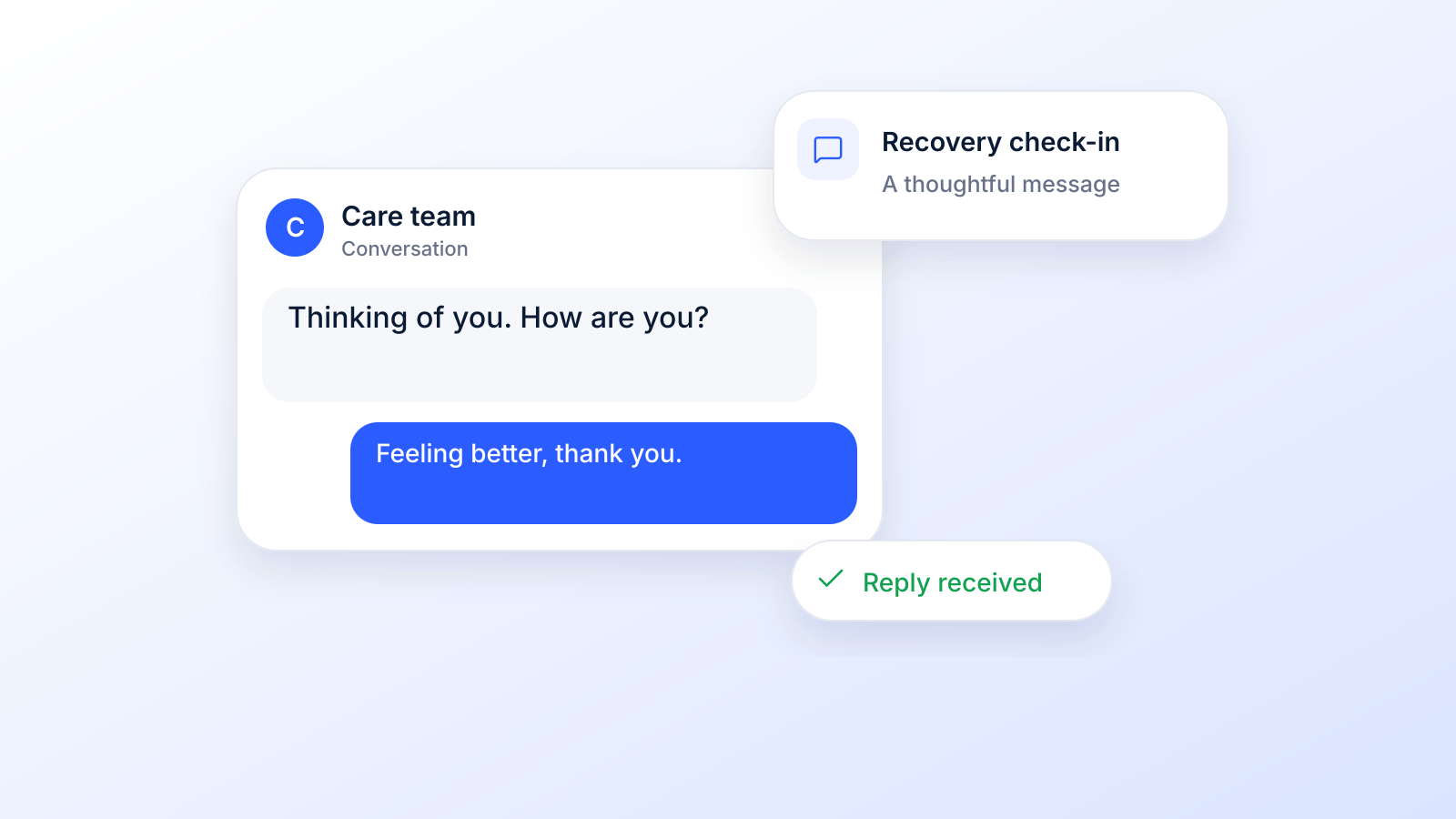
Tone also shapes trust in higher-sensitivity conversations. If your organization supports grief, recovery, or counseling services, emotional nuance matters as much as the message itself. The National Institute of Mental Health lists reaching out to friends and family as a basic form of support, and a short, warm text is often how that starts.
This guide focuses on strategy, not just a list of symbols. The goal is to choose the right get well soon emojis for the channel, the relationship, and the compliance risk so your outreach feels human without creating problems.
If you just need the emojis, start with the copy-and-paste table and the combinations below. The seven picks after that explain when each one works in a personal or business message.
Get Well and Feel Better Emojis to Copy and Paste
Tap and hold an emoji to copy it. Names are the official Unicode short names (CLDR), and the version shows when each emoji was added, which tells you how likely an older phone is to display it. Names and versions come from Unicode's emoji data files; meanings link to Emojipedia.
| Emoji | Official name | Added in | What it conveys | When not to use it | Source |
|---|---|---|---|---|---|
| ❤️🩹 | Mending Heart | Emoji 13.1 (2020) | Healing, recovery, sympathy | Phones without Emoji 13.1 support show it as ❤️ and 🩹 side by side | Emojipedia |
| 🤒 | Face with Thermometer | Unicode 8.0 (2015) | Sick with a cold or flu, fever | After surgery or an injury (use 🤕 or 🩹); it can also mean "hot" as slang | Emojipedia |
| 🤕 | Face with Head-Bandage | Unicode 8.0 (2015) | Injury or pain, sometimes emotional hurt | Serious illness, where it can read as a joke | Emojipedia |
| 🤧 | Sneezing Face | Unicode 9.0 (2016) | A cold or allergies | Anything more serious than a cold | Emojipedia |
| 😷 | Face with Medical Mask | Unicode 6.0 (2010) | Being sick, staying home | Hospital stays or surgery; it can read as "stay away" | Emojipedia |
| 🩹 | Adhesive Bandage | Unicode 12.0 (2019) | First aid, a minor injury | Major illness, where it can feel like it minimizes things | Emojipedia |
| 💐 | Bouquet | Unicode 6.0 (2010) | Sending flowers, appreciation | Rarely wrong; one of the safest picks | Emojipedia |
| 🌷 | Tulip | Unicode 6.0 (2010) | A light, cheerful flower | Very formal notes, where no emoji may be better | Emojipedia |
| 🌻 | Sunflower | Unicode 6.0 (2010) | Happiness, brightness | Treatment instructions; since 2022 it is also a symbol of solidarity with Ukraine | Emojipedia |
| ❤️ | Red Heart | Unicode 1.1 (1993) | Love and care | Distant professional relationships, where it can feel too personal | Emojipedia |
| 🫶 | Heart Hands | Unicode 14.0 (2021) | Love and support | Contacts on older phones, which may not show it | Emojipedia |
| 🫂 | People Hugging | Unicode 13.0 (2020) | Sympathy and solidarity in a hard time | Formal or customer messages | Emojipedia |
| 🤗 | Smiling Face with Open Hands (formerly Hugging Face) | Unicode 8.0 (2015) | Thanks, support, warm feelings | When you need a clear hug: its look differs a lot by platform, so 🫂 is clearer | Emojipedia |
| 🙏 | Folded Hands | Unicode 6.0 (2010) | Please, thank you, hope; prayer for many people | Mixed audiences that may read it as religious | Emojipedia |
| 🤞 | Crossed Fingers | Unicode 9.0 (2016) | Hoping for good news | Serious diagnoses, where luck can sound flippant | Emojipedia |
| 🍀 | Four Leaf Clover | Unicode 6.0 (2010) | Good luck | Same as 🤞 | Emojipedia |
| 💪 | Flexed Biceps | Unicode 6.0 (2010) | Strength, progress, recovery | Right after bad news or a new diagnosis | Emojipedia |
| ✨ | Sparkles | Unicode 6.0 (2010) | Happiness, a fresh start | Can read as sarcasm in a dry sentence | Emojipedia |
| 💊 | Pill | Unicode 6.0 (2010) | Medicine, a care step | Messages unrelated to care; online it also has a "red pill" meaning | Emojipedia |
| 🌡️ | Thermometer | Unicode 7.0 (2014) | Fever, temperature check | Supportive notes with no check-in question | Emojipedia |
| 🍲 | Pot of Food | Unicode 6.0 (2010) | Soup or stew, comfort food | Formal messages | Emojipedia |
| 🍵 | Teacup Without Handle | Unicode 6.0 (2010) | Tea, rest | Formal messages | Emojipedia |
| 🛌 | Person in Bed | Unicode 7.0 (2014) | Bed rest, sleep | Formal messages | Emojipedia |
| 🧸 | Teddy Bear | Unicode 11.0 (2018) | Comfort, a message for a child | Adults you do not know well | Emojipedia |
| 🏥 | Hospital | Unicode 6.0 (2010) | A hospital stay | On its own, where it feels cold; pair it with 💐 or ❤️🩹 | Emojipedia |
| 🤍 | White Heart | Unicode 12.0 (2019) | Love and affection | Get well messages: it is also used when someone has passed away | Emojipedia |
Searching for a "feel better emoji"? There is no single official one. The closest are ❤️🩹 Mending Heart for recovery, 🤒 or 🤧 for a cold, and 🫂 People Hugging for a hard day. Pair one of them with a short line like "Feel better soon" and the meaning is clear on any phone.
Get Well Soon Emoji Combinations for Every Situation
Two or three emojis plus a short sentence work better than a long string of symbols. Copy any line below.
Cold or Flu
- 🤒🍲🛌 Feel better soon! Soup, blankets and a long nap.
- 🤧🍵💛 Rest up and drink lots of tea. Hope you feel better soon.
- 😷🍲❤️🩹 Sorry you are sick. Let me know if you need anything dropped off.
Surgery or Injury
- 💐🙏💪 Wishing you a smooth surgery and a speedy recovery.
- ❤️🩹🩹💛 Thinking of you while you heal. Take it one day at a time.
- 🤕🍀🤞 Heal up fast. Hoping the recovery is quick and easy.
Hospital Stay
- 🏥💐❤️🩹 Thinking of you while you are in the hospital. Rest and let them take care of you.
- 🫂🌷💛 Sending a big hug. No need to reply, just wanted you to know I am thinking of you.
- 🧸💐🌈 For a child in the hospital: Get well soon, you are so brave!
Mental Health and Hard Days
- 🫂💚 Thinking of you today. No need to reply.
- 🌱☀️🫶 Take it one day at a time. I am here whenever you want to talk.
- ❤️🩹💛 Here for you, today and next week too.
Skip "stay strong 💪" and jokey faces here; gentle and patient reads better. Emojis are no substitute for help: if someone may be in crisis, the National Institute of Mental Health points to the 988 Suicide and Crisis Lifeline in the US (call or text 988).
Coworker or Team
- 🤒🍵🤝 Feel better soon! Rest up, we have things covered.
- 💐✨ The whole team is wishing you a speedy recovery.
- 💪🙌 Welcome back! Great to have you on the team again.
Formal, Client or Customer Message
- 💐 Wishing you a speedy recovery. Please take all the time you need.
- 🌷 We hope you are feeling better soon. Your appointment can wait until you are ready.
- ❤️🩹 Wishing you a smooth recovery. Reply anytime if we can help with scheduling.
In formal messages, use one emoji at the start or end, or none at all. For a business sending recovery check-ins or patient follow-ups, keep the text general and leave health details out; our guide to HIPAA compliant patient communication covers what not to put in a text, and these patient engagement strategies show where a caring message fits.
Why Emojis Look Different on Each Phone
The same emoji can look different on an iPhone, an Android phone, WhatsApp or a computer. Unicode sets the code and the name, but the Unicode Consortium says it "is not a designer nor purveyor of emoji images" and has no control over how emoji appear on each platform. Apple, Google, Samsung, Microsoft and WhatsApp each draw their own. For example, Emojipedia notes that the 🤗 face "historically differs greatly across platforms" and that 💊 and 💐 have had different colors and flowers by vendor.
Newer emojis also depend on the recipient's software. ❤️🩹 Mending Heart is a combination of ❤️ and 🩹 joined by an invisible character. Under Unicode's emoji standard, a phone that does not support the combination shows the separate emojis instead, so an older phone shows ❤️🩹. On iPhone, iOS 14.5 (April 2021) was the first version to support it. Recent additions such as 🫶 Heart Hands (2021) may show as an empty box on phones that have not been updated in years.
- Mixed audience: prefer emojis from Unicode 6.0 to 11.0 (most of the table above), which almost every phone in use can show.
- Business lists: a single, older emoji like 💐 or ❤️ is the safest choice for a large send.
- Meaning check: if a face could be read two ways, add words. Our guide to what emoji smiley faces mean covers the common ones.
1. 💊 Pill Medicine Emoji
The 💊 emoji is the clearest option when your message is tied to treatment, recovery instructions, refill reminders, or follow-up care. It works because it removes ambiguity. The recipient knows right away that the message relates to health, medication, or a care plan.
This is one of the safest get well soon emojis for healthcare and wellness brands because it keeps the tone supportive without becoming overly sentimental. It also fits operational messages well, which is where many teams struggle. A reminder can still sound caring.
Where it works best
Medical offices can use it for prescription pickup notices, telehealth follow-ups, or post-visit reminders. A wellness clinic can use it when confirming supplement delivery. A karate studio can use it in a lighter way for an injured member who paused classes and needs a supportive check-in before returning.
A strong example:
💊 Your refill is ready. Reply if you need help scheduling your next visit.
For healthcare teams, this emoji fits naturally into compliant workflows built around healthcare SMS communication. The key is staying generic when needed and avoiding unnecessary personal detail in the text itself.
What works and what doesn't
- Works: Pairing 💊 with clear action, such as pickup, reply, reschedule, or confirm.
- Works: Using it in a drip sequence after a visit, then following with a ringless voicemail if the patient doesn't respond.
- Doesn't work: Using 💊 in a message that has nothing to do with care, treatment, or wellness.
- Doesn't work: Trying to sound cute with multiple medical emojis stacked together.
Practical rule: Use 💊 when the message is tied to a real recovery step. Skip it when you're only sending general encouragement.
If you're running SMS plus voicemail together, use the emoji in the text and keep the voicemail warm but plainspoken. The text grabs attention. The voicemail carries reassurance.
2. ❤️ Red Heart Emoji
❤️ works best when the goal is emotional tone, not health detail.
That makes it one of the safest choices for supportive outreach across SMS, MMS, and ringless voicemail follow-up, especially when the sender wants to sound caring without referencing symptoms, medication, or treatment. In healthcare, that matters. A warm message can still stay HIPAA-conscious if the text remains general and leaves sensitive specifics out of the channel.
Where the red heart fits
Use ❤️ for relationship-driven messages where reassurance matters more than logistics.
A karate studio might send:
❤️ Hope you're feeling better soon. Your studio family is here when you're ready to come back.
A customer success manager could send:
❤️ Sorry to hear you're under the weather. We can shift timelines and pick this up when you're back.
A medical practice can also use it carefully:
❤️ Wishing you a smooth recovery. Reply if you'd like help scheduling your follow-up.
The heart also belongs in reusable message libraries. Teams building outreach sequences often start with proven business text message examples and then adjust tone by audience. Adding one red heart can soften an automated message without making it sound casual or off-brand.
The trade-off
The red heart is flexible, but it is not neutral.
For a boutique fitness studio, pediatric office, or member-based wellness brand, it usually feels natural. For a law firm, B2B software company, or financial services team, it can feel too personal unless the relationship is already established. A safer approach is to test it only in retention, support, or care-related workflows, not in cold outreach or routine account notices.
Use it with discipline
- Best for: general encouragement, schedule flexibility, check-ins, and recovery wishes
- Strong channel fit: SMS first, then ringless voicemail if a warmer human touch would help
- Healthcare note: keep the message broad and avoid condition-specific language in the text
- Avoid: stacked hearts, overly sentimental copy, or transactional messages with no real empathy behind them
One heart is enough. More than that starts to look informal fast.
The practical test is simple. If your brand has earned the right to sound warm, ❤️ is a reliable choice. If your audience expects distance, precision, or a strictly professional tone, skip it and keep the wording supportive without the emoji.
3. 🌡️ Thermometer Emoji
Some emojis are emotional. 🌡️ is practical.
That makes it useful for symptom check-ins, monitored recovery, pediatric follow-up, and any workflow where you want a reply. It gives the message an immediate health context and subtly invites action. If your team sends scheduled check-ins, this emoji often performs better than a vague supportive opener because it tells the recipient what kind of response you're after.
Good fit for reply-driven campaigns
A pediatric office might send:
🌡️ How is your child feeling today? Reply with an update when you can.
A surgery center might send:
🌡️ Checking in after your procedure. Reply if you'd like a callback from our team.
SMS and ringless voicemail work well together in this situation. Start with a short text check-in. If there's no response, send a ringless voicemail later in the day from the care team or office manager. The text handles convenience. The voicemail adds reassurance without forcing a live call.
Keep the SMS concise. Put nuance in the voicemail.
Where teams get it wrong
The thermometer emoji can feel cold if the rest of the message sounds robotic. “🌡️ Status update requested” reads like a machine. “🌡️ Just checking in. Reply if you need anything before your appointment” sounds human.
It also needs audience discipline. This is not the emoji for a floral gift message, a client courtesy note, or a general “feel better soon” text after someone misses an event.
Use it when you need one of these outcomes:
- A health update: The recipient can reply with a simple status note.
- An appointment decision: They can confirm, reschedule, or request help.
- A monitored follow-up: Your staff can route replies into the next step.
In healthcare, be extra careful with personalization. Existing guidance on compliant use of get well soon emojis in HIPAA-regulated SMS is thin, even though teams need clear protocols for generic messaging, double opt-in, and DNC checks. The operational point is simple. If the emoji supports a legitimate care workflow, it earns its place. If it only decorates the message, skip it.
4. 🙏 Folded Hands (Praying Hands) Emoji
The folded hands emoji works when you want warmth, hope, and respect without leaning too hard into medical language. It can read as prayer, gratitude, support, or simple goodwill depending on the recipient. That flexibility is both its strength and its risk.
Its official Unicode name is Folded Hands. Emojipedia notes that it means "please" or "thank you" in Japanese culture, that prayer is a common alternative use, and that it can also be a respectful greeting such as namaste. It is rarely meant as a high five.
Used well, 🙏 feels sincere. Used badly, it feels presumptive.
Best audiences for 🙏
Community organizations, nonprofits, support groups, and faith-adjacent businesses can often use this emoji naturally. Internal team messages also benefit from it because coworkers usually understand the intent in context.
A few strong examples:
- Community outreach: “🙏 Sending healing thoughts and hoping for a smooth recovery.”
- Team message: “🙏 Rest up and take the time you need. We've got things covered.”
- Support program follow-up: “🙏 Thinking of you today and wishing you strength.”
The emoji works best when the relationship already includes some emotional trust. If your brand is highly transactional, choose ❤️ or 🌻 instead.
The cultural fit question
This isn't a universal safe pick. Some recipients see prayer. Others see thanks. Others just see compassion. That means audience fit matters more here than with almost any other get well soon emoji.
Audience check: If your recipient list spans very different cultures or belief systems, test 🙏 on smaller segments before making it part of a default automation.
In ringless voicemail campaigns, this emoji has a useful role even though voicemail itself doesn't display it. Put 🙏 in the SMS that introduces the message, then use a calm voicemail script that says the same thing in plain words. That keeps the sentiment aligned across channels.
What doesn't work is forcing spiritual language where it doesn't belong. The emoji should soften the message, not redefine it.
5. 💪 Flexed Biceps Strength Emoji
The flexed bicep is not for the first message. That's the mistake teams make.
💪 works later, when the person is moving from illness toward recovery, rehab, or return. It shifts the tone from sympathy to encouragement. That can be powerful when someone is frustrated, stuck, or rebuilding routine.
Use it at the right stage
A physical therapy clinic could send:
💪 Great progress so far. We'll see you at your next session.
A karate studio might send:
💪 You've got this. We can't wait to see you back on the mat.
A business with recurring appointments can also use it in comeback messaging. If someone paused service due to injury or illness, this emoji supports the return without sounding pitying. It works especially well when paired with personalized SMS fields and merge tags, because encouragement feels stronger when the message reflects the person's actual situation.
What makes it effective
This emoji is about momentum. It tells the recipient you see recovery as active, not passive. That makes it strong for rehab, coaching, fitness, sports medicine, and member-based organizations.
- Use it after the acute phase when the person is ready for forward-looking encouragement.
- Tie it to a milestone such as a session, check-in, or planned return.
- Keep the copy short so it sounds supportive, not preachy.
- Avoid it immediately after bad news because it can feel tone-deaf.
If your business also touches wellness or weight-related coaching, supportive recovery language matters just as much as promotional language. The CDC's guidance on losing weight reflects the same basic principle: it notes that people who lose weight at a gradual, steady pace are more likely to keep it off. Encouragement lands better when it respects pace and context.
For multi-channel campaigns, 💪 is a strong third-touch emoji. Start with care, follow with practical help, then move into motivation once the timing is right.
6. 🌻 Sunflower Flower Emoji
🌻 is the best option when you want optimism without sounding medical. It brightens the message, softens the automation, and avoids the intimacy of a heart. For many consumer-facing brands, that's the sweet spot.
Event organizers, spas, customer success teams, schools, and subscription brands can all use flower-based get well soon emojis effectively. The message feels thoughtful, but not heavy.
Why 🌻 works so well
Flowers already carry a get-well association. In text form, they signal kindness, renewal, and a lighter emotional touch. That makes 🌻 useful when someone missed something because they were sick and you want to acknowledge that without overstepping.
Examples:
- Event organizer: “🌻 Get well soon. We'd love to see you at the next event.”
- Customer success team: “🌻 Thinking of you during recovery. We're here when you're ready.”
- School or program coordinator: “🌻 Hope you're feeling better soon. We'll help you catch up.”
This emoji is also useful in welcome-back messages. A bright visual can make a return note feel more personal, especially if the previous touchpoints were purely operational.
Where to use it in a sequence
🌻 fits nicely in MMS if you want to attach a visual card or branded image. It also pairs well with ringless voicemail because the channels do different jobs. The text delivers a bright, visible cue. The voicemail can offer details, reassurance, or rescheduling options.
In broader outreach strategy, more teams coordinate voice, SMS and MMS together. That makes flower emojis more useful because they fit naturally inside image-based or MMS-friendly campaigns.
A flower emoji is often better than a medical emoji when your relationship is supportive, not clinical.
Use 🌻 when the goal is to lift the person's mood. Don't use it when you need to communicate treatment, instructions, or symptom monitoring.
7. ✨ Sparkles Stars Emoji
✨ is the most modern, upbeat option on the list. It suggests better days ahead without sounding sentimental or clinical. If your brand voice is polished, upbeat, or slightly aspirational, this is often the cleanest choice.
It works especially well for service businesses, agencies, coaches, wellness brands, and event-driven organizations. The message stays positive without pretending everything is already fine.
Best for future-focused messaging
A marketing agency might send:
✨ Wishing you a smooth recovery. We'll be ready when you're back.
A webinar host or event team could send:
✨ Get well soon. We'll save your spot for the next session.
A corporate wellness team might use:
✨ Hope recovery goes smoothly. Reach out when you're ready to reschedule.
This emoji pairs naturally with dates, return plans, and light scheduling language. It signals optimism and movement, which makes it a strong fit for comeback campaigns and post-absence follow-up.
Strong in testing and automation
There is no public data we could verify on how much a single emoji changes SMS replies, so treat ✨ as something to test against a plain version, not a guaranteed lift. A well-chosen emoji can still make a message easier to read and answer.
For teams experimenting with AI-generated creative in outreach, ✨ is also one of the easiest symbols to reuse across channels. It works in plain text, MMS graphics, and image templates. The caution is simple. Don't let “creative” become clutter. One sparkle is enough.
A practical pattern for SMS plus ringless voicemail:
- SMS: “✨ Hope you're feeling better soon. Reply if you want to reschedule.”
- Ringless voicemail: “Hi, just checking in and wishing you a smooth recovery. When you're ready, we can help with next steps.”
That pairing feels current, supportive, and easy to act on.
7-Item Get Well Soon Emoji Comparison
| Emoji / Item | Implementation complexity | Resource requirements | Expected outcomes | Ideal use cases | Key advantages |
|---|---|---|---|---|---|
| 💊 Pill / Medicine | Low (use HIPAA-safe channels) | Minimal; segmentation for relevance | Clear medical context; higher open rates | Healthcare reminders, prescription & appointment notices | Universally recognized medical symbol; professional |
| ❤️ Red Heart | Low | Personalization (names), A/B testing | Increased emotional engagement and responses | Community businesses, follow-ups, thank-yous | Conveys warmth and care; bridges emotional gap |
| 🌡️ Thermometer | Moderate (interactive workflows) | Symptom-tracking flows; compliance measures | Actionable health monitoring; specific responses | Symptom check-ins, post-op follow-ups, screenings | Signals monitoring needs; prompts data collection |
| 🙏 Praying Hands | Low | Empathetic copy; audience cultural testing | High emotional resonance; perceived support | Community outreach, non-profits, team messages | Expresses hope and compassion; broadly inclusive |
| 💪 Flexed Bicep | Low–Moderate (timing sensitive) | Recovery-stage segmentation; milestone triggers | Motivational tone; increased positive sentiment | Fitness, rehab, athletic recovery, later-stage follow-ups | Emphasizes strength and resilience; empowering |
| 🌻 Sunflower / Flower | Low | Creative copy and seasonal variation | Uplifted mood; brand warmth and delight | Consumer-facing brands, events, customer delight messages | Positive, non-medical healing symbol; memorable |
| ✨ Sparkles / Stars | Low | Future-focused copy; A/B testing for tone | Optimism and forward momentum; modern tone | Marketing, corporate wellness, motivational outreach | Versatile, contemporary optimism; pairs with action |
The "expected outcomes" column describes the tone each emoji aims for, not measured results. For official names, versions and more options, see the copy-and-paste table above.
Automate Empathy Your Next Steps with Multi-Channel Outreach
Teams that treat get well soon emojis as a system, not decoration, get better results from the same message volume. The emoji sets the tone in a second. The channel determines how useful that tone becomes.
Here is the practical model. Use SMS for fast check-ins and simple replies. Use MMS when an image, branded recovery card, or clear visual reminder adds context. Use ringless voicemail when a human voice will carry more reassurance than text alone. Then tie those touches together with timed follow-ups based on recovery stage, appointment status, or customer relationship.
That structure matters because the same emoji sends very different signals depending on where and when it appears. A 💊 in an appointment reminder feels clear and functional. A ❤️ in a post-visit follow-up feels warm. A 🌡️ works best when the message asks for a status update. A 💪 fits later in the sequence, once the recipient is likely focused on progress rather than immediate discomfort.
Business use cases are broader than healthcare.
A clinic can send a same-day SMS check-in, follow with a ringless voicemail from staff, and schedule a later reminder for the next visit. A karate studio can acknowledge an injury, pause billing or hold a spot, and send a return message when the student is ready to come back. A customer success team can recognize an absence or setback without sounding cold or scripted.
Healthcare teams need tighter controls than other senders. As noted earlier, emoji use in medical communication is no longer unusual, but familiarity does not solve compliance. HIPAA risk comes from message content, recipient targeting, and channel setup. Keep texts generic when necessary, avoid including protected health information in bulk outreach, and set up clear consent, segmentation, and DNC controls before automating anything.
The strongest workflows are simple:
- SMS for immediate check-ins, confirmations, and short replies
- MMS for richer support messages, branded visuals, or post-visit instructions that benefit from design
- Ringless voicemail for reassurance, relationship continuity, and messages that sound better in a staff member's voice
- Drip campaigns for pacing communication over several days instead of sending the same flat message to every contact
Automation should improve timing, not erase judgment. A recovery message sent too early can feel tone-deaf. A motivational 💪 sent during an acute health event can miss the moment completely. Good segmentation fixes that. Separate first-day follow-ups, ongoing recovery messages, missed-appointment nudges, and return-to-routine encouragement into different tracks.
If a check-in gets no answer, a second, gentler message works better than repeating the first; these follow-up texts after no response show the pattern, and these voice message templates help when a voicemail fits better than a text.
Broadcast helps teams turn small gestures into organized, scalable outreach. You can send personalized SMS and MMS, trigger ringless voicemail drops, build timed drip campaigns, manage opt-ins and DNC rules, and support HIPAA-conscious communication workflows from one platform. If you want get-well messaging that feels human and still runs efficiently, Broadcast is built for that.
Get Well Soon Emoji FAQ
What Emoji Means Get Well Soon?
There is no official "get well soon" emoji. The closest is ❤️🩹 Mending Heart, which Emojipedia describes as a heart with a bandage used for "healing, recovery," or sympathy. 🤒, 🤕, 💐 and 🙏 are also common.
What Does 😌 Mean in Texting?
😌 is Relieved Face. Emojipedia says it conveys "contentment, calm, peace, and relief," and sometimes playful smugness. In a get well chat it often means "I feel better now."
What Does 🥰 Mean in Texting?
🥰 is Smiling Face with Hearts. Emojipedia describes "happy, affectionate feelings, especially being in love." Between friends and family it is a warm "thank you, I feel loved" reply to a get well message.
What Does 😮 Mean in Texting?
😮 is Face with Open Mouth: surprise or shock, or awe and disbelief, often in a milder or more ironic tone than other surprised faces, according to Emojipedia.
What Do 🙌 and 🙏 Mean?
🙌 Raising Hands shows "two hands raised in the air, celebrating success or another joyous event" (Emojipedia), so it fits good news like "the surgery went well." 🙏 Folded Hands means please or thank you, and many people use it for prayer or hope (Emojipedia). Together, 🙌🙏 usually reads as "thank goodness" or grateful celebration.
Why Does the Mending Heart Show as Two Emojis?
❤️🩹 is a sequence of ❤️ and 🩹. Phones that do not support it display the two emojis side by side (see the section on how emojis look on each phone above). Updating the phone usually fixes it.
Which Get Well Soon Emojis Work on WhatsApp?
All the emojis in the table above are standard Unicode emojis, so you can copy and paste them into WhatsApp, iMessage, Google Messages or any app. Their drawings differ by app, but the meaning stays the same.
Should a Business Use Get Well Soon Emojis?
Yes, sparingly. One emoji in a warm, general message (for example "💐 Wishing you a smooth recovery") works for clinics, studios and service teams. Keep health details out of the text; our guide to SMS in health care explains why.