In today's value-based care landscape, the gap between clinic visits is where health outcomes are won or lost. Simply providing excellent care within your facility is no longer enough; success now depends on maintaining a continuous, supportive dialogue with patients throughout their entire health journey. This shift requires a strategic approach that turns passive recipients of care into active partners in their own well-being.
Effective patient engagement strategies healthcare providers can implement are the key to closing care gaps, improving medication adherence, and reducing costly no-shows. The Agency for Healthcare Research and Quality puts it simply: "when patients are engaged in their health care, it can lead to measurable improvements in safety and quality" (AHRQ Guide to Patient and Family Engagement). Building on these principles, proactive communication ensures patients feel seen, heard, and supported long after they leave the office.
This guide moves beyond theory to provide a tactical roundup of the top 10 patient engagement strategies that successful healthcare organizations are using right now. We'll explore specific, multi-channel communication tactics, including automated SMS, voice broadcasts, and the strategic use of ringless voicemail, to create a proactive and responsive care experience. Each strategy is presented with actionable steps, key performance indicators (KPIs) for measurement, and HIPAA compliance considerations. You will learn how to build automated workflows that not only improve patient outcomes but also streamline your team's administrative workload, freeing them to focus on what matters most: delivering exceptional care.
What Is Patient Engagement?
Patient engagement means patients and families taking an active part in their own care: understanding their condition, following the plan, asking questions, and speaking up when something is wrong. AHRQ built its hospital guide around patients, families and health professionals working "together as partners" (AHRQ).
Health literacy is the other half. Since Healthy People 2030 (August 2020), the CDC distinguishes personal health literacy, "the degree to which individuals have the ability to find, understand, and use information and services to inform health-related decisions and actions", from organizational health literacy, the degree to which organizations "equitably enable" people to do the same (CDC, What Is Health Literacy?). Every strategy below is a way for the practice to carry its part of that load.
1. Automated SMS and Multi-Channel Appointment Reminders
Missed appointments are a significant drain on resources, leading to lost revenue and disrupted clinical workflows. Automated SMS and multi-channel appointment reminders are foundational patient engagement strategies for healthcare providers aiming to combat no-shows. This approach involves sending scheduled notifications via SMS, voice calls, and even discreet ringless voicemails to confirm upcoming visits.
By automating this communication, practices can free up administrative staff from manual calling, allowing them to focus on higher-value patient interactions. The system sends timely alerts based on preset schedules, providing patients with the essential details they need and simple options to confirm, cancel, or request to reschedule directly from their phones.
Why This Strategy Is Effective
This strategy directly addresses the primary reason for no-shows: patients simply forgetting. It meets patients on the channels they use most frequently, making it a highly effective and low-friction method of communication. The evidence is solid: a Cochrane review of randomized trials found attendance of 78.6% with text message reminders versus 67.8% with no reminder (risk ratio 1.14), with costs per attendance lower than phone call reminders (Cochrane review). In a randomized study at Kaiser Permanente Washington, one extra text before high-risk visits cut primary care no-shows by 7% and mental health no-shows by 11% (The Permanente Journal, 2022). Similarly, primary care clinics can use interactive voice response (IVR) reminders that prompt patients to "press 1 to confirm," providing immediate feedback for scheduling staff.
Actionable Implementation Tips
To maximize the impact of your automated reminders, consider these best practices:
- Optimal Timing: Send an initial reminder 48-72 hours before the appointment and a final one 24 hours prior.
- Personalization is Key: Always include the patient's name, the appointment date, and the practitioner's name to build trust and clarity.
- Offer Clear Options: Your message should explicitly state how to confirm (e.g., "Reply YES") or reschedule (e.g., "Call our office at...").
- Use Ringless Voicemail Carefully: For sensitive appointments, such as mental health counseling, a ringless voicemail delivers a message directly to voicemail without the phone ringing. Two cautions: the FCC ruled in 2022 that ringless voicemail is a call under the TCPA, so it needs the same consent as other automated calls (FCC 22-85), and HHS advises limiting what a voicemail reveals, for example the practice name, a number and what is needed to confirm the appointment (HHS FAQ).
Implementing a robust reminder system is one of the most direct ways to improve clinic efficiency and patient adherence. By automating this crucial touchpoint, you ensure schedules remain full and patients stay on track with their care plans. For a deeper dive into optimizing your reminder system, you can learn more about how to reduce no-show appointments with automated messaging.
For message wording, see these appointment confirmation text examples and the guide to automated text message reminders. Scheduled reminder campaigns can also run from SMS reminders.
2. Patient Education and Health Literacy Campaigns
Beyond appointment scheduling, ongoing communication is essential for empowering patients to manage their health proactively. Educational SMS and voice campaigns are powerful patient engagement strategies for healthcare that deliver vital health information, preventive care guidance, and wellness tips directly to patients’ devices. This approach keeps patients engaged between visits and equips them with the knowledge needed for better long-term outcomes.
Using this strategy, providers can send multi-part drip campaigns to educate patients sequentially on topics like chronic disease management or post-procedure care. This consistent, automated outreach ensures patients receive timely and relevant information without overburdening administrative staff, fostering a stronger patient-provider relationship built on support and education.
Why This Strategy Is Effective
This strategy transforms the patient's role from passive recipient to active participant in their own care. It directly addresses knowledge gaps that can lead to poor medication adherence, lifestyle choices, or recovery outcomes. For example, a diabetes management program can send daily medication and blood sugar tracking reminders via SMS. A post-surgical care center can deliver a sequence of recovery instructions, helping patients navigate each stage of healing confidently at home.
A critical aspect of health literacy campaigns is empowering patients to understand their own health data, including practical guides on how to understand their lab results. This level of education helps demystify complex medical information, leading to more informed questions and better adherence to care plans.
Actionable Implementation Tips
To create effective educational campaigns, focus on clarity, relevance, and timing:
- Use Plain Language: Avoid complex medical jargon. Messages should be easy to understand for all literacy levels; the CDC keeps a list of plain language resources for health communication.
- Keep it Concise: For SMS, keep messages under 160 characters for maximum readability and impact.
- Space Out Messages: Schedule your drip campaigns with appropriate intervals (e.g., daily for post-op, weekly for wellness) to avoid overwhelming patients.
- Include a Clear Call-to-Action: Guide patients on what to do next, whether it’s "Call our nurse line with questions" or "Click here to log your food intake."
- Segment Your Audience: Group patients by condition, age, or treatment plan to deliver highly personalized and relevant content. You can learn more about patient segmentation to tailor your campaigns effectively.
By investing in patient education, you not only improve health outcomes but also build lasting patient loyalty and trust.
3. Two-Way SMS Patient Communication and Symptom Checking
Beyond simple reminders, interactive two-way SMS communication opens a direct and convenient channel between patients and providers. This is one of the more dynamic patient engagement strategies for healthcare because it facilitates real-time dialogue for non-urgent needs. Patients can ask questions, report symptoms for triage, or request prescription refills via text, creating a continuous and accessible line of communication.
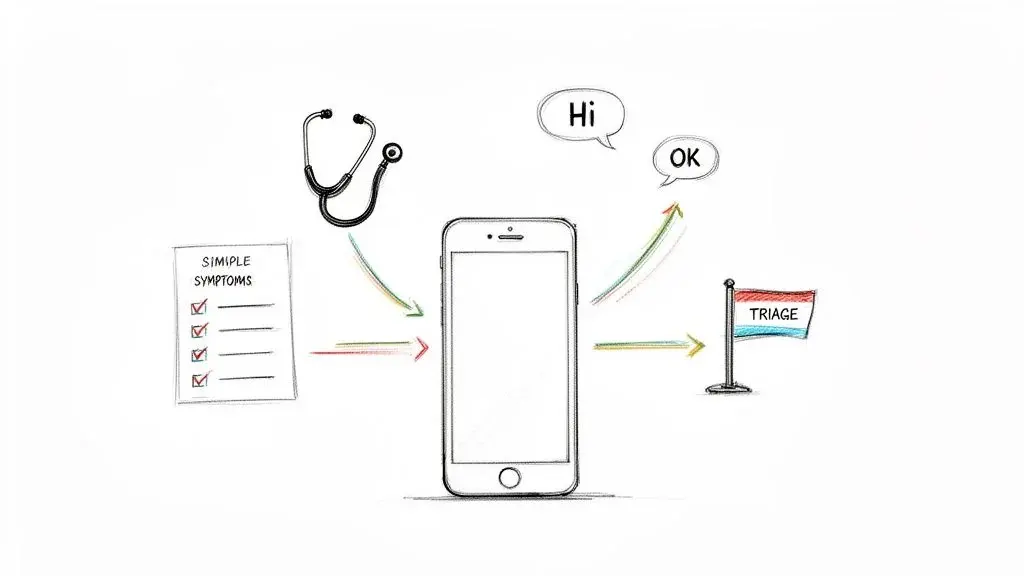
This bidirectional engagement empowers patients to participate more actively in their own care while helping providers manage inquiries efficiently. Instead of clogging phone lines, common requests can be handled quickly and asynchronously, improving both patient satisfaction and administrative workflow. It transforms communication from a one-way broadcast into a meaningful conversation.
Why This Strategy Is Effective
This strategy is effective because it meets patients where they are: on their mobile devices. It lowers the barrier to seeking care or information, which can lead to earlier intervention and better outcomes. For example, an urgent care center can use an automated keyword-based system to screen a patient's symptoms via text and direct them to the appropriate level of care, reducing unnecessary emergency room visits. Similarly, a mental health provider can offer text-based check-ins between sessions, providing crucial support and monitoring patient well-being without a full appointment.
Actionable Implementation Tips
To successfully implement two-way SMS communication, consider these key steps:
- Set Clear Expectations: In your initial message, inform patients of expected response times (e.g., "Our team responds to texts within 2-4 business hours").
- Use Keyword Triggers: Set up automated responses for common inquiries like "REFILL," "HOURS," or "SYMPTOMS" to provide instant answers and gather initial information.
- Establish Triage Protocols: Create a clear workflow for routing complex or urgent messages to the appropriate clinical staff to ensure timely and accurate responses.
- Provide Emergency Disclaimers: Always include a disclaimer stating that SMS is not for emergencies and provide instructions to call 911 or the office directly for urgent matters.
By creating a structured and secure texting system, you build a stronger, more accessible relationship with your patients. You can explore how to set up an auto SMS reply system to manage these interactions effectively.
Before patients text symptoms or questions, decide what staff may send back by text. HHS lets providers communicate with patients electronically when they apply reasonable safeguards and limit the information shared (HHS FAQ 570); the guide to HIPAA compliant patient communication covers the details.
4. Medication Adherence and Refill Reminder Programs
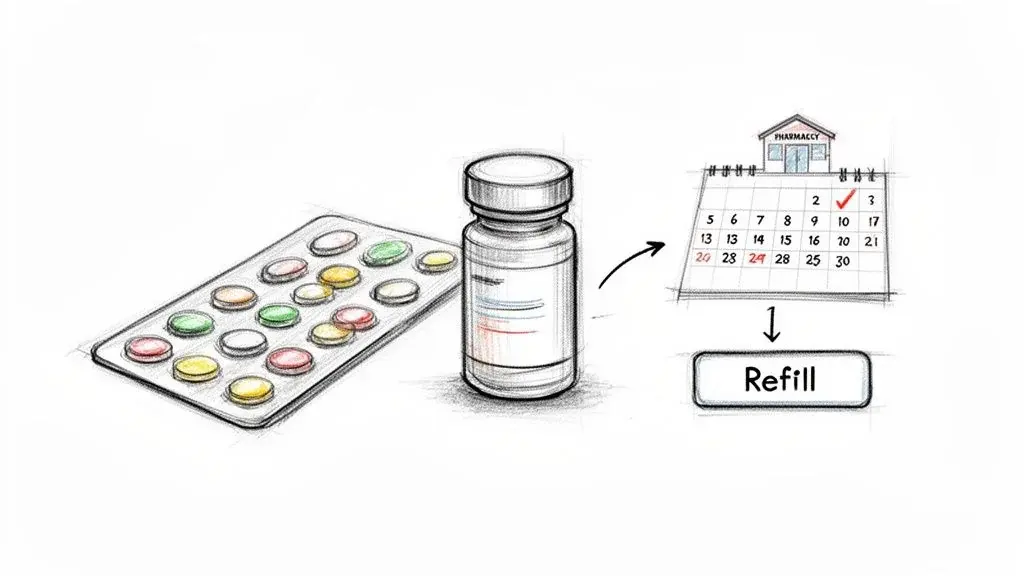
Medication non-adherence is a pervasive and costly challenge. The CDC reports that about one in five new prescriptions are never filled, about half of those filled are taken incorrectly, and direct costs of non-adherence reach roughly $100 to $300 billion a year in the US (CDC MMWR, 2017). Automated medication adherence and refill reminder programs are powerful patient engagement strategies for healthcare providers designed to tackle this issue directly. These systems send timely, targeted SMS messages, voice calls, and ringless voicemails to remind patients when to take their medication or when a prescription is due for a refill.
By automating these crucial prompts, healthcare organizations can significantly improve compliance for chronic disease management and post-acute care. The system helps close the loop between prescribing a medication and ensuring the patient follows the treatment plan, a critical factor in achieving positive health outcomes.
Why This Strategy Is Effective
This strategy works because it provides a consistent, gentle nudge that integrates into a patient's daily routine. It directly counters common reasons for non-adherence, such as forgetfulness or a lack of understanding about refill timelines. A meta-analysis of 16 randomized trials (2,742 patients with chronic disease) found that text messaging roughly doubled the odds of adherence (odds ratio 2.11), although most trials were short and relied on self-reported adherence (JAMA Internal Medicine, 2016). A hypertension management program, for example, can use daily SMS reminders to cut missed doses. Similarly, mental health practices often leverage discreet messaging to improve compliance with psychiatric medications, which is vital for long-term stability.
These reminders can also be interactive, allowing patients to confirm they've taken a dose or request a refill with a simple response, providing valuable data back to the care team.
Actionable Implementation Tips
To effectively launch a medication reminder program, follow these best practices:
- Coordinate with Pharmacy Schedules: Time your refill reminders to align with pharmacy processing windows, typically 5-7 days before a prescription runs out.
- Prioritize Patient Privacy: Keep message content generic. For instance, "Time for your daily medication" is safer than naming a specific drug, in line with HHS guidance to limit the information in messages (HHS FAQ). Honor patient requests to be contacted another way (45 CFR 164.522(b)).
- Provide Clear Next Steps: Include the pharmacy's phone number or a prompt to reply for assistance with a refill authorization.
- Avoid Reminder Fatigue: Space messages appropriately. A daily dose reminder is different from a weekly or monthly refill alert. Ask patients for their timing preferences.
- Use Discreet Channels: For sensitive medications, a ringless voicemail can deliver a private reminder directly to voicemail without an intrusive phone call, respecting patient confidentiality. Get consent first: ringless voicemail counts as a call under the TCPA (FCC 22-85).
5. Patient Feedback and Satisfaction Survey Campaigns
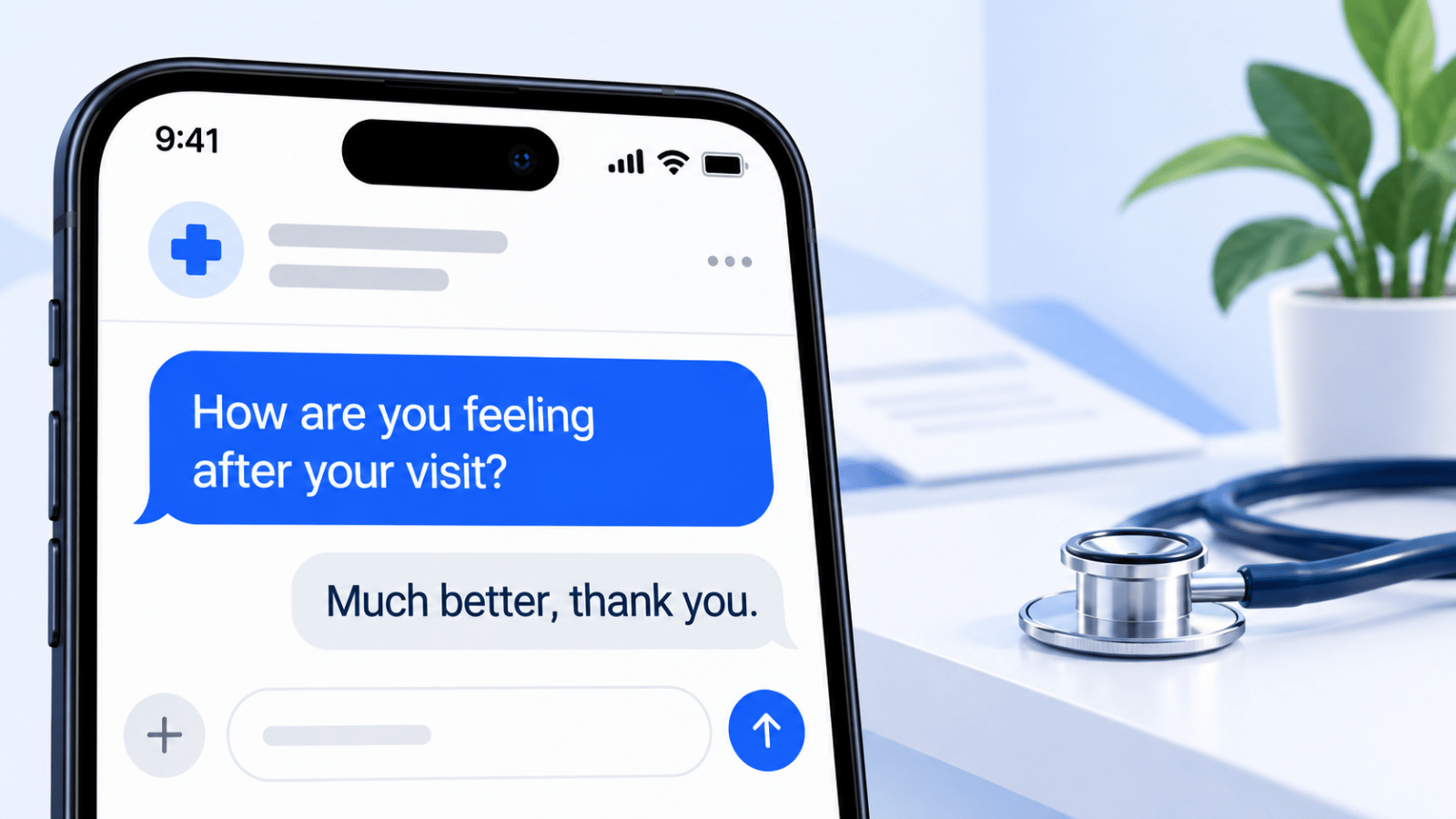
Understanding the patient experience is crucial for quality improvement and retention. Post-visit or post-procedure SMS and voice surveys are powerful patient engagement strategies for healthcare providers to collect real-time feedback on satisfaction, care quality, and the overall patient journey. These automated campaigns can measure key metrics like Net Promoter Score (NPS), gather actionable data, and quickly identify service recovery opportunities.
By sending a survey shortly after an interaction, providers capture insights while the experience is still fresh in the patient's mind. This automated process gathers valuable data without burdening administrative staff, allowing for continuous monitoring of patient sentiment and immediate identification of areas needing attention.
Why This Strategy Is Effective
This strategy provides a direct line to the patient's perspective, offering unvarnished insights that annual or quarterly surveys often miss. It demonstrates that you value their opinion, which builds trust and loyalty. For example, a hospital emergency department can use an automated post-visit SMS survey to ask for an NPS rating. If a patient responds with a low score, the system can instantly alert a patient advocate for follow-up, turning a negative experience into a positive one. Likewise, a specialty surgical center can collect feedback on procedure satisfaction to refine its pre- and post-operative care protocols.
Actionable Implementation Tips
To get the most out of your feedback campaigns, follow these best practices:
- Timing is Everything: Send surveys within 24 hours of the visit, while the experience is still fresh.
- Keep it Brief: For SMS surveys, limit questions to a maximum of 2-3 to avoid survey fatigue and encourage completion.
- Create Escalation Workflows: Automatically flag negative scores or keywords (e.g., "unhappy," "confused") and route them to the appropriate staff for immediate follow-up.
- Offer an Open-Ended Option: After a rating question, provide an option for patients to leave a comment for more detailed, qualitative feedback. This can be done via a follow-up SMS or by linking to a mobile-friendly form.
6. Preventive Care and Screening Outreach Campaigns
Proactive outreach for preventive care is a cornerstone of modern patient engagement strategies for healthcare. Instead of waiting for patients to schedule critical screenings, these campaigns actively prompt them to take action. This approach involves sending targeted SMS messages and voice broadcasts to encourage patients to book mammograms, colonoscopies, vaccinations, and other essential check-ups based on their age, health history, and established clinical guidelines.
By systematically identifying and closing gaps in preventive care, healthcare organizations can significantly improve population health outcomes, reduce long-term treatment costs, and excel in value-based care models. The goal is to make preventive care an easy and obvious next step for every eligible patient.
Why This Strategy Is Effective
This strategy shifts the healthcare paradigm from reactive to proactive, empowering patients to manage their health before a serious issue arises. It directly addresses patient inertia and lack of awareness about recommended screenings. For example, a primary care network can run a targeted SMS campaign for patients due for a mammogram, while a large health system can use automated outreach to meet its colorectal cancer screening targets. This proactive communication demonstrates a provider's commitment to a patient's long-term well-being, strengthening the patient-provider relationship.
Actionable Implementation Tips
To deploy effective preventive care campaigns, focus on targeted and helpful communication:
- Segment Your Audience: Group patients by specific screening needs, age, and risk factors, and keep the rules current with the guidelines. The USPSTF lowered the colorectal cancer screening start age to 45 in 2021 (USPSTF) and in 2024 recommended mammography every two years for women 40 to 74 (USPSTF). A message for a 45-year-old due for a first colorectal screening should differ from one for a flu shot reminder.
- Time Campaigns Strategically: Send outreach messages following an annual wellness visit or during awareness months (e.g., October for breast cancer screening) to maximize relevance.
- Provide Direct Scheduling: Reduce friction by including a direct link in your SMS to a scheduling portal or a phone number to call, making it simple for patients to book their appointment.
- Emphasize the "Why": Briefly explain the benefit of the screening in your message. A simple line like, "Early detection saves lives," can be a powerful motivator.
- Focus on Health Equity: Use demographic and health data to identify and create tailored outreach for underscreened populations, ensuring equitable access to preventive care.
By automating these crucial nudges, you can transform patient behavior at scale, ensuring more individuals receive the timely, preventive care they need to stay healthy.
7. Post-Discharge Follow-Up and Care Transition Support
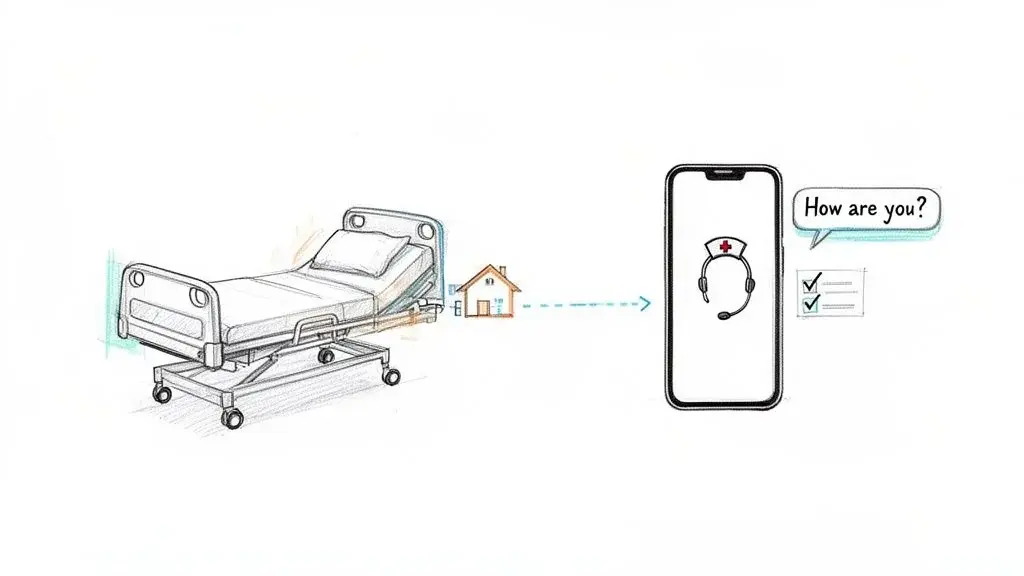
The period immediately following hospital discharge is one of the most vulnerable times for a patient. Effective post-discharge follow-up is a critical component of modern patient engagement strategies for healthcare, designed to reduce preventable hospital readmissions and ensure a smooth transition back home. This strategy involves using automated SMS and voice campaigns to provide recovery guidance, medication instructions, and education on warning signs.
By maintaining communication during this crucial period, healthcare providers can bridge the gap between inpatient and outpatient care. Structured, automated outreach ensures patients feel supported and have the information they need to manage their recovery, preventing minor issues from escalating into major complications that require rehospitalization.
There is also a financial reason. Under the Hospital Readmissions Reduction Program, Medicare reduces payments to hospitals with excess readmissions for heart attack, COPD, heart failure, pneumonia, bypass surgery and elective hip or knee replacement (CMS). In a 2025 retrospective study of heart failure patients, those who interacted with SMS reminders had 6% lower odds of readmission and 19% higher odds of filling prescriptions; it shows an association, not proof that texts caused the difference (PLOS Digital Health).
Why This Strategy Is Effective
This strategy directly addresses common causes of readmission, such as medication errors, lack of follow-up, and confusion about recovery instructions. It provides a safety net for patients, offering timely information and a clear line of communication. For example, a heart failure program can use a sequence of SMS messages to check on symptoms like weight gain or shortness of breath, prompting early intervention. Similarly, orthopedic surgery centers can send daily tips on incision care and rehabilitation exercises, improving post-operative outcomes and patient satisfaction.
Actionable Implementation Tips
To create an effective post-discharge communication plan, consider these steps:
- Initiate Communication Immediately: Start your messaging sequence at or even before the patient is discharged to set clear expectations for their recovery at home.
- Create Condition-Specific Content: Tailor your message sequences to the patient's specific condition, such as CHF, COPD, or post-surgical recovery, for maximum relevance.
- Educate on Red Flag Symptoms: Clearly outline critical warning signs and provide simple, direct instructions on when to call the nurse line versus when to seek emergency care (e.g., "If you experience chest pain, call 911 immediately").
- Prompt Follow-Up Scheduling: Send a reminder within 24-48 hours post-discharge to schedule the necessary follow-up appointment with their primary care provider or specialist.
Implementing an automated follow-up system helps ensure continuity of care, reduces costly readmissions, and empowers patients to take an active role in their recovery journey.
8. Chronic Disease Management and Monitoring Programs
Managing chronic conditions like diabetes, heart disease, or COPD requires continuous patient involvement beyond the clinic walls. Automated chronic disease management programs use SMS and voice messaging to provide ongoing support, education, and monitoring. These programs are powerful patient engagement strategies for healthcare that empower individuals to take an active role in their own health.
Through a structured communication plan, providers can send regular check-ins, medication reminders, lifestyle tips, and educational content. This consistent, personalized outreach helps patients track symptoms, adhere to care plans, and make healthier choices, ultimately improving clinical outcomes and reducing costly emergency room visits and hospital readmissions.
Why This Strategy Is Effective
This strategy transforms chronic care from an episodic, reactive process into a proactive, continuous partnership. It keeps patients connected to their care team between appointments, fostering a sense of support and accountability. For example, a diabetes management program can send weekly messages asking for blood sugar readings, supporting HbA1c control through consistent monitoring. Similarly, a heart failure program can use daily automated calls to check for weight gain or shortness of breath, allowing for early intervention before a crisis occurs.
Actionable Implementation Tips
To create an effective chronic disease management program, focus on personalization and clear protocols:
- Establish Baselines and Goals: Work with each patient to set clear health goals (e.g., target A1c, daily step count) and tailor messaging to support their specific journey.
- Vary Your Messaging: Avoid sending the same message repeatedly. Mix educational tips, motivational content, and check-in questions to keep engagement high.
- Provide Positive Reinforcement: Acknowledge and celebrate progress. A simple message like, "Great job on your consistent tracking this week!" can significantly boost motivation.
- Create Escalation Protocols: Define clear triggers for clinical intervention. If a patient reports a dangerous symptom or an abnormal reading, the system should automatically alert a care manager or nurse for immediate follow-up.
- Coordinate with the Care Team: Ensure the data collected via SMS or voice is integrated into the patient's record, giving the entire care team a complete view of their progress and challenges.
By implementing an automated monitoring program, healthcare organizations can scale their ability to manage large patient populations effectively, ensuring those with chronic conditions receive the consistent support they need to stay healthy.
9. Patient Portal Engagement and Registration Promotion
Patient portals are powerful hubs for care coordination, but their effectiveness hinges on one critical factor: patient adoption. Proactive SMS and voice campaigns are essential patient engagement strategies for healthcare providers looking to drive portal registration and active use. This strategy involves sending targeted messages to encourage patients to sign up, access records, view test results, and use features like secure messaging and bill pay.
By using automated outreach, practices can overcome common adoption barriers like lack of awareness or technical uncertainty. A simple SMS can provide a direct link to the registration page, while a follow-up voice message can highlight the convenience of accessing lab results from home, transforming the portal from an abstract tool into a tangible, valuable resource.
Why This Strategy Is Effective
This strategy works because it meets patients where they are and provides a direct, low-effort path to engagement. Instead of waiting for patients to discover the portal on their own, you actively guide them to it and demonstrate its value. National data show the room to grow: in 2022, about 3 in 5 individuals were offered and accessed their online medical records or patient portals (ONC data brief). A primary care practice can send a series of automated SMS prompts after new patient appointments, and health systems can send SMS alerts notifying patients that new lab results are available, driving portal logins and reinforcing its utility.
Actionable Implementation Tips
To effectively promote your patient portal and encourage sustained use, consider these tactics:
- Timely Activation Prompts: Send an SMS with a registration link and simple instructions within 24 hours of a patient's first visit.
- Highlight Specific Value: Tailor messages to showcase key benefits, such as "View your lab results securely" or "Message your doctor's office directly."
- Use Results as Triggers: Automate an SMS notification whenever a new test result or document is uploaded to the portal, creating a powerful reason for patients to log in.
- Offer Clear Support: Include a dedicated phone number or link in your messages for patients who need technical assistance with registration or login.
By actively promoting your patient portal, you not only improve care coordination and patient autonomy but also significantly reduce the administrative burden of phone calls for routine inquiries like test results and appointment scheduling.
10. Community Health Education and Health Equity Outreach
Effective patient engagement extends beyond the clinic walls into the community itself. Population-level SMS and voice campaigns are powerful patient engagement strategies for healthcare organizations aiming to address social determinants of health, boost health literacy, and reduce health disparities in underserved areas. This approach uses culturally tailored messaging in multiple languages to connect diverse populations with vital health information, preventive care reminders, and local resources.
By leveraging automated communication, public health departments, FQHCs, and community health centers can efficiently reach thousands of individuals. These campaigns deliver crucial information about vaccination clinics, food assistance programs, or chronic disease management workshops directly to community members' phones, breaking down access and information barriers to support broader health equity goals.
Why This Strategy Is Effective
This strategy is effective because it meets people where they are, using technology they already have to overcome systemic barriers to care. It acknowledges that health outcomes are deeply influenced by social and economic factors. For example, a community health center can use multi-language SMS broadcasts to inform immigrant populations about a free vaccination drive, resulting in higher turnout. Similarly, a safety-net hospital could launch a voice broadcast campaign to improve maternal health outcomes in low-income neighborhoods by sharing tips on prenatal nutrition and connecting expectant mothers with local support services.
Actionable Implementation Tips
To deploy community outreach campaigns that resonate and drive action, consider these best practices:
- Partner with Community Leaders: Collaborate with trusted local leaders, faith-based organizations, and community advocates to help design and promote your campaigns.
- Use Plain Language: Craft messages that are easy to understand on first read and avoid medical jargon. The CDC's plain language resources include word lists and checklists for public health messages.
- Ensure Cultural Relevance: Go beyond simple translation. Work with community members to validate that your messaging, examples, and tone are culturally appropriate and respectful.
- Track Disaggregated Data: Measure your campaign's impact by analyzing outcomes disaggregated by race, ethnicity, language, and zip code to ensure you are effectively reaching your target populations and closing equity gaps.
By proactively engaging entire communities, healthcare organizations can foster trust, improve population health outcomes, and take meaningful steps toward achieving health equity.
What the Research Says About Patient Messaging
Not every strategy has the same evidence behind it. Reminders and medication messages have randomized trials; others rest on guidelines or observational data. Figures below were checked on the linked pages on October 19, 2026.
| Strategy | Finding | Type of evidence | Source |
|---|---|---|---|
| Appointment reminders | Attendance 78.6% with text reminders vs 67.8% with none (risk ratio 1.14) | Cochrane systematic review of randomized trials | Cochrane |
| Appointment reminders | One extra text before high-risk visits: 7% fewer primary care and 11% fewer mental health no-shows | Randomized study, Kaiser Permanente Washington | Permanente Journal 2022 |
| Medication adherence | Text messaging about doubled the odds of adherence (odds ratio 2.11; 16 trials, 2,742 patients) | Meta-analysis; short trials, mostly self-reported adherence | JAMA Intern Med 2016 |
| Medication adherence | About 1 in 5 new prescriptions never filled; non-adherence costs about $100 to $300 billion a year | CDC report | CDC MMWR 2017 |
| Post-discharge (heart failure) | Patients who interacted with SMS reminders: 19% higher odds of filling prescriptions, 6% lower odds of readmission | Retrospective cohort (association) | PLOS Digital Health 2025 |
| Patient portals | About 3 in 5 individuals were offered and accessed online records or portals in 2022 | National survey (ONC) | ONC |
| Screening outreach | Colorectal screening from 45; mammography every 2 years for women 40 to 74 | USPSTF recommendations (2021, 2024) | USPSTF CRC / USPSTF breast |
HIPAA and TCPA Basics for Patient Messaging
Every strategy above sends messages to patients, so two US rule sets apply. This is general information, not legal advice; confirm your program with counsel.
- HIPAA allows texting and voicemail with safeguards: HHS says providers may communicate with patients about their care but "should take care to limit the amount of information disclosed" (HHS FAQ 198) and may use unencrypted electronic messages with reasonable safeguards, offering another channel if a patient objects (HHS FAQ 570).
- Vendors that handle PHI need a BAA: a messaging vendor that creates, receives, maintains or transmits PHI for a practice is a business associate and needs a written agreement (HHS business associates guidance). See health care SMS for how this applies to texting.
- Consent for healthcare calls and texts: the FCC treats a patient giving a phone number to a provider as consent for HIPAA healthcare calls within the scope of that consent (FCC 15-72). Marketing messages follow the general TCPA rules.
- The healthcare exemption is narrow: exempt texts must be free to the patient, limited to purposes such as appointment reminders, lab results, post-discharge follow-up and prescription notifications, carry no marketing or billing content, stay generally within 160 characters, go no more than once a day and three times a week, and honor STOP immediately (47 CFR 64.1200(a)(9)(iv)).
- Ringless voicemail is a call: since FCC 22-85 (2022) it needs consent like other automated calls (FCC 22-85; see ringless voicemail compliance).
Comparing 10 Patient Engagement Strategies
| Strategy | Implementation complexity | Resource requirements | Expected outcomes | Ideal use cases | Key advantages | Key limitations |
|---|---|---|---|---|---|---|
| Automated SMS and Multi-Channel Appointment Reminders | Moderate: scheduling, EHR integration, compliance controls | Messaging platform, EHR/scheduler integration, accurate contact data | Reduced no-shows, improved throughput and revenue | High-volume clinics, dental offices, therapy practices | Automated multi-channel delivery, two-way confirmations, analytics | Requires accurate contacts, carrier/TCPA/HIPAA constraints, timing calibration |
| Patient Education and Health Literacy Campaigns | Moderate–High: content sequencing, segmentation and testing | Content creation, segmentation tools, rich-media links, upkeep | Improved adherence, reduced readmissions, better preventive uptake | Chronic disease programs, post-op care, wellness centers | Scalable personalized education, measurable engagement via clicks | Simplifying complex topics for SMS, ongoing content updates, char limits |
| Two-Way SMS Patient Communication and Symptom Checking | High: secure bidirectional workflows and triage protocols | Secure messaging platform, staff for responses, EHR integration, protocols | Increased access, reduced ED utilization, higher patient satisfaction | Urgent care, primary care triage, mental health check-ins | Real-time dialogue, documented interactions, automated triage | Liability and response-staffing needs, not for emergencies, digital divide |
| Medication Adherence and Refill Reminder Programs | Moderate: prescription data mapping and pharmacy links | Pharmacy integration, prescription schedule data, refill links | Improved adherence, fewer hospitalizations, better chronic control | Pharmacies, chronic disease clinics, mental health providers | Personalized medication reminders, one-click refills, escalation flows | Privacy concerns with drug-specific messages, data accuracy, alert fatigue |
| Patient Feedback and Satisfaction Survey Campaigns | Low–Moderate: survey triggers and reporting setup | SMS/IVR survey tools, analytics dashboard, conditional workflows | Higher response rates, actionable experience insights, NPS tracking | Hospitals, surgical centers, specialty practices focused on CX | Real-time feedback, quick service recovery, measurable trends | Survey fatigue, response bias, limited depth vs. interviews |
| Preventive Care and Screening Outreach Campaigns | Moderate: guideline-based segmentation and triggers | Clinical data integration, scheduling links, multi-touch sequences | Increased screening rates, earlier detection, lower long-term costs | Primary care, insurers, public health programs | Targets care gaps, supports value-based metrics, scalable outreach | Needs accurate screening status, cultural/language tailoring, guideline updates |
| Post-Discharge Follow-Up and Care Transition Support | High: immediate triggers, condition-specific sequences, escalations | Discharge integration, clinical message templates, escalation pathways | Reduced 30‑day readmissions, improved safety and comprehension | Hospitals, surgical centers, post-acute care programs | Timely continuity, medication and warning‑sign support, lower readmissions | Complex coordination with discharge systems, timing sensitivity, literacy barriers |
| Chronic Disease Management and Monitoring Programs | High: sustained multi-month workflows and device/EHR integration | Ongoing coaching resources, remote monitoring devices, clinical oversight | Improved disease control (A1c/BP), fewer ER visits, sustained engagement | Primary care, specialty clinics, integrated health systems | Personalized coaching, regular monitoring, early decompensation detection | Requires long-term engagement, message fatigue, clinical validation and security |
| Patient Portal Engagement and Registration Promotion | Low–Moderate: activation flows and targeted prompts | Portal links, registration instructions, support resources, translations | Increased portal adoption, reduced admin calls, better access | All healthcare practices, hospital systems, insurers | Drives secure access to records, enables async communication, reduces phone load | Digital divide, registration friction, cybersecurity and privacy concerns |
| Community Health Education and Health Equity Outreach | High: cultural tailoring, community partnership and evaluation | Professional translation, community engagement, multi-language materials | Improved health equity, increased resource access (impact longer-term) | Public health departments, community health centers, safety-net orgs | Reaches underserved groups, culturally tailored outreach, builds trust | Requires deep engagement, expensive translation/validation, long-term commitment |
From Strategy to Action: Building Your Patient Engagement Engine
Navigating the landscape of modern healthcare demands more than just clinical excellence; it requires a deep, ongoing connection with the people you serve. Throughout this guide, we have explored a comprehensive suite of patient engagement strategies healthcare providers can implement to foster stronger relationships and drive superior outcomes. From tackling no-show rates with automated SMS reminders to supporting chronic disease management with consistent, empathetic outreach, the common thread is clear: proactive, personalized communication is paramount.
We’ve moved beyond theory to provide actionable blueprints for success. You’ve seen how multi-channel approaches that integrate SMS, voice calls, and even innovative tools like ringless voicemail can meet patients where they are, on the channels they prefer. This isn't about sending more messages; it's about sending the right messages at the right time to make a meaningful impact on appointment adherence, medication compliance, and preventive care participation.
Key Takeaways for Immediate Implementation
The journey from a passive patient population to an actively engaged one begins with a single, focused step. Don't feel overwhelmed by the need to implement all ten strategies at once. Instead, identify the most pressing challenge your practice faces today and choose the strategy that directly addresses it.
- Prioritize Your Biggest Pain Point: Is your front desk staff spending hours on manual appointment reminders? Start with an automated SMS and voice reminder system. Are post-discharge readmission rates a concern? Focus on building a robust follow-up campaign.
- Embrace a Multi-Channel Mix: Relying solely on one communication method limits your reach. A strategic blend of SMS for urgent alerts, ringless voicemail for non-intrusive updates, and two-way texting for interactive support creates a resilient and effective communication ecosystem.
- Measure, Adapt, and Optimize: Success in patient engagement is not a "set it and forget it" activity. Use key performance indicators (KPIs) like reduced no-show rates, increased survey response rates, and improved medication refill adherence to measure the impact of your efforts. Use this data to refine your messaging, timing, and outreach channels.
The True Value of a Connected Patient Experience
Ultimately, mastering these patient engagement strategies in healthcare translates into tangible benefits that ripple across your entire organization. Engaged patients are more likely to adhere to their care plans, leading to better clinical outcomes and a healthier community. They are more likely to provide valuable feedback, helping you continuously improve your services. Furthermore, a seamless and supportive communication experience builds trust and loyalty, turning patients into lifelong advocates for your practice.
By leveraging technology to automate and scale these critical touchpoints, you free up your staff to focus on what they do best: providing high-quality, in-person care. This creates a virtuous cycle where technology enhances the human element of healthcare, rather than replacing it. The goal is to build a scalable engagement engine that works tirelessly in the background, ensuring no patient falls through the cracks and every individual feels seen, heard, and supported throughout their care journey. The time to move from strategy to action is now.
Ready to transform your patient communication from a manual chore into an automated, HIPAA-compliant engine for growth? Broadcast provides the powerful SMS, voice, and ringless voicemail tools you need to implement these engagement strategies efficiently and effectively. Start your free trial today and see how easy it is to build a better patient experience with Broadcast.
Patient Engagement Strategies: FAQ
What is patient engagement?
It is patients and families taking an active part in their care, as partners with their care team. AHRQ notes that engaged patients can lead to "measurable improvements in safety and quality" (AHRQ).
What are some examples of patient engagement strategies?
The 10 in this guide: automated appointment reminders, health education campaigns, two-way texting, medication and refill reminders, feedback surveys, preventive screening outreach, post-discharge follow-up, chronic disease check-ins, patient portal promotion and community health outreach.
What are some examples of engagement strategies in general?
Outside healthcare the same ideas apply: timely reminders, useful education, easy two-way conversation, asking for feedback and acting on it, and segmenting people so each message fits them.
What are the 4 P's of patient care?
In nursing, the 4 P's usually refer to hourly rounding checks: pain, potty (toileting), position and possessions within reach, used mainly to prevent falls (BMC Geriatrics systematic review, 2023). They describe bedside care rather than messaging, but the idea, anticipating needs before the patient has to ask, is the same.
Can healthcare providers text patients under HIPAA?
Yes, with safeguards: limit the information in each message, use vendors that sign a BAA when they handle PHI, and honor requests for another channel (HHS FAQ 570). See the guide to HIPAA compliant patient communication.
Which patient engagement strategy should a practice start with?
Usually appointment reminders: they are simple to set up and have the strongest research behind them (Cochrane). Add others where your biggest gap is.