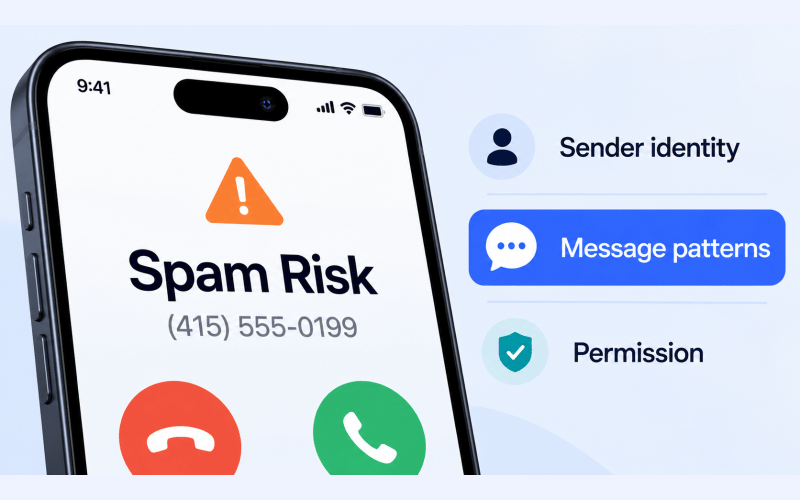
Spam Risk on Outbound Calls and Texts: A Practical Guide
Spam risk is a sender-reputation problem, not a call problem. Learn how to identify, dispute, and prevent labeling across voice, ringless voicemail, and SMS.
Read the postPractical advice for clearer, more useful messaging.
Spam risk is a sender-reputation problem, not a call problem. Learn how to identify, dispute, and prevent labeling across voice, ringless voicemail, and SMS.
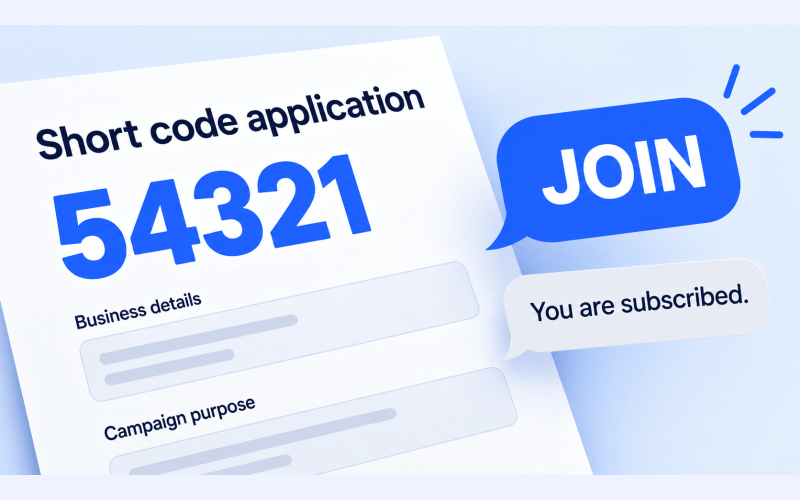
Read the postShort code registration step by step: lease the code ($500 to $1,000 a month at the registry), write the program brief, set opt-in, HELP and STOP, and pass 6 to 10 weeks of carrier review.
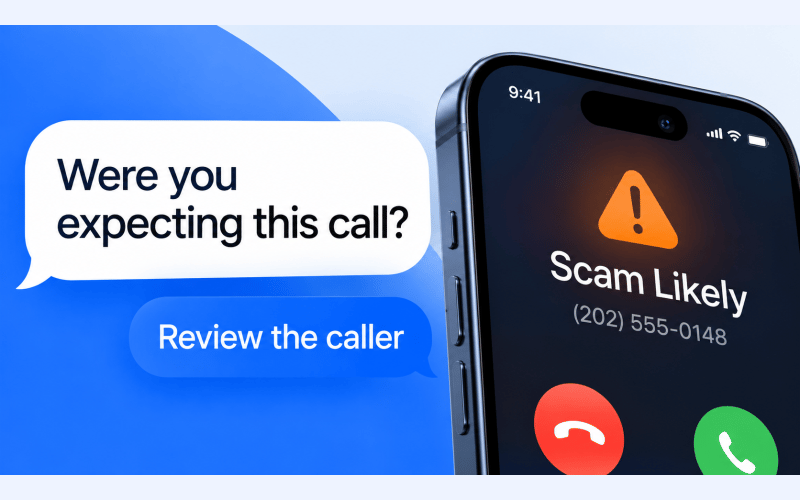
Read the postLearn why legitimate SMS, voice, and ringless voicemail campaigns get marked scam likely, and use a practical checklist to improve compliance and deliverability.
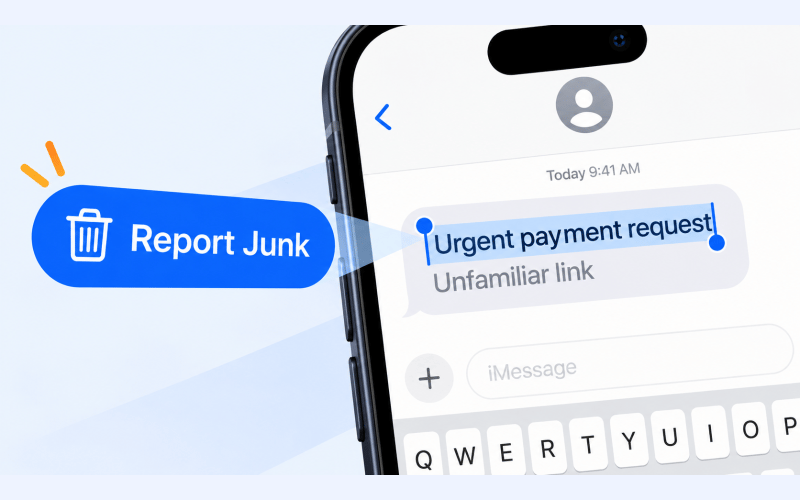
Read the post9 real spam and scam text message examples (package, toll, bank, job, wrong number), the red flags in each, and how to report them to 7726 and the FTC.
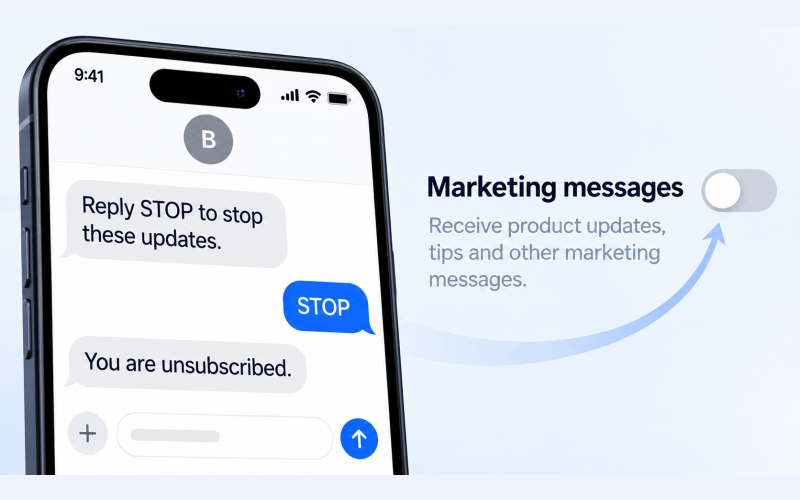
Read the postHow to handle an unsubscribe text message: the seven STOP words, the 10 business day limit, the one confirmation text, the 2026 FCC changes and a workflow.
Read the postMaster Do Not Call list compliance with our guide. Understand TCPA/FTC rules, manage list scrubbing, and avoid fines with practical steps and policies.
Read the postWhat an SMS compliance checklist should include in 2026: 8 steps covering consent, records, opt-outs, Do Not Call, quiet hours, sender ID and 10DLC, with the FCC and CTIA rule behind each.
Read the postDiscover what is tcpa compliance and how to protect your business in 2026. Our guide covers consent, penalties, ringless voicemail, & a practical checklist.
Read the postWhat each delivery status means for SMS, voice calls, ringless voicemail and email, when to retry, fix or suppress, and how to automate failed-delivery notifications.
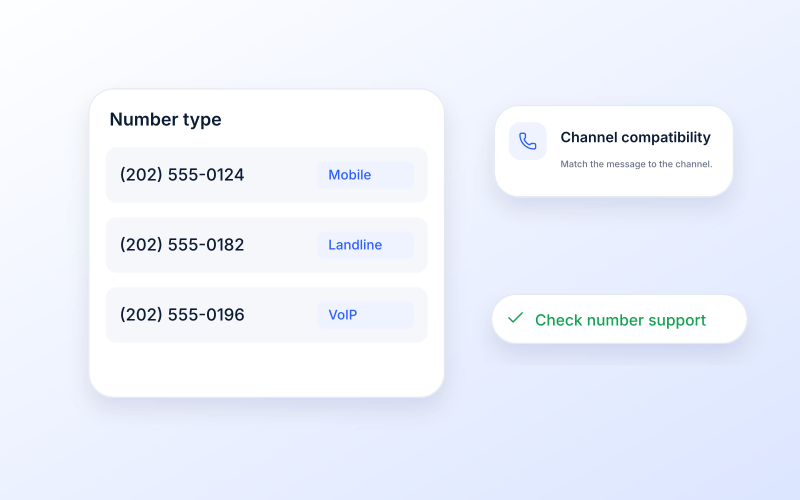
Read the postExplore the landline vs mobile debate for business outreach. Compare technical specs, compliance rules (TCPA, HIPAA), and use cases for SMS & voice campaigns.
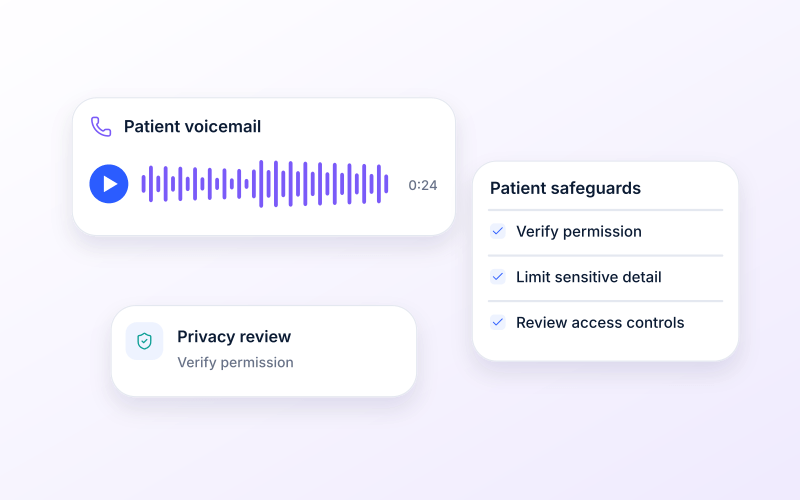
Read the postHow to communicate with patients under HIPAA by text, email, phone and voicemail: what HHS allows, BAAs, consent, safe templates and 2026 rule updates.
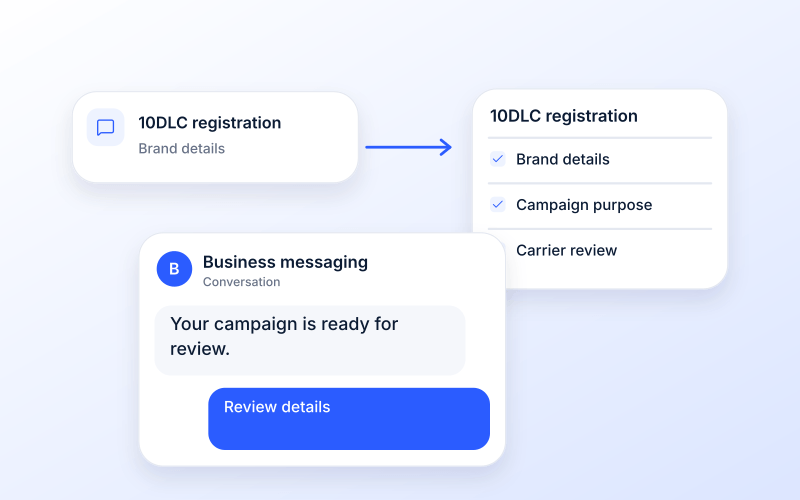
Read the post10DLC compliance in 2026: what to register (brand and campaigns), what carriers check in your messages and opt-ins, limits and review times, common rejections and how to fix them.
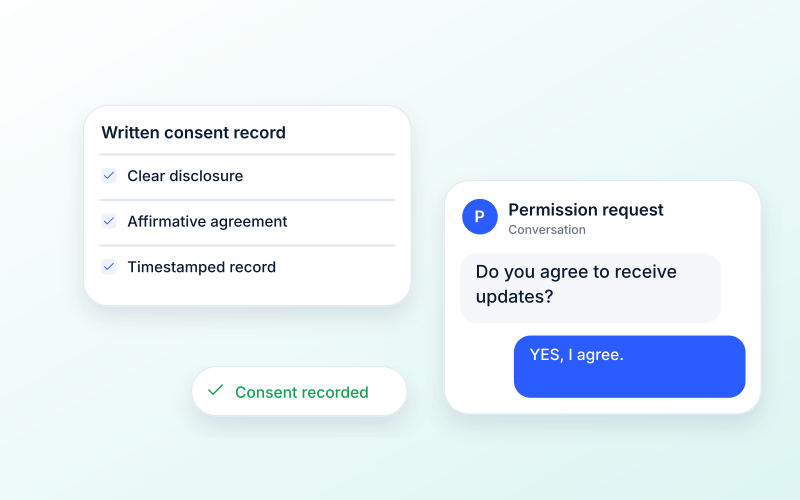
Read the postWhat TCPA express written consent means under 47 CFR 64.1200(f)(9), when texts, calls and ringless voicemail need it, sample consent language, and the records that prove it.
Read the postWhat secure messaging for healthcare means, what HIPAA requires (a BAA, safeguards, no "certification"), the features to look for and how to roll it out.
Read the postText not delivered? Fix it on iPhone or Android, then check the business causes: 10DLC and toll-free registration, carrier filtering, opt-outs and error codes.
Read the postWhat A2P (application-to-person) messaging is, how it differs from P2P texting, which numbers businesses text from (10DLC, toll-free, short code) and what registration they need.
Read the postWhat an opt-in text is, what US law and carriers require before you text, when double opt-in helps, and copyable opt-in confirmation templates that follow CTIA guidance.
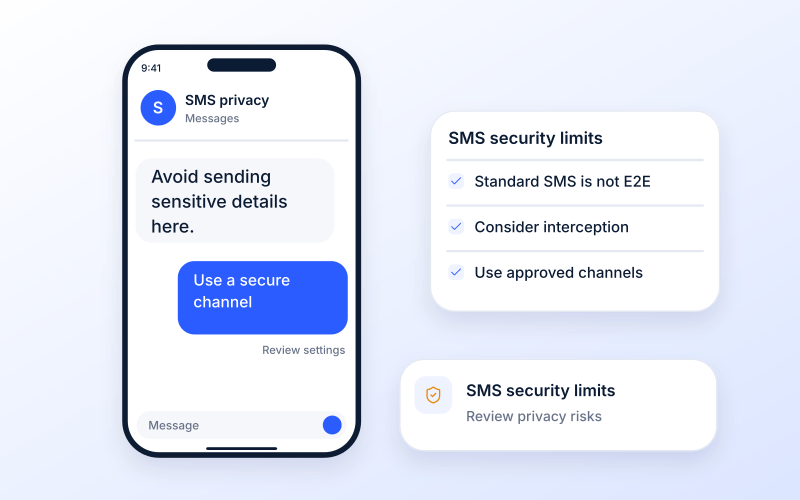
Read the postIs SMS encrypted? We explore the truth about text message security, why SMS is vulnerable by default, and how you can protect your private communications.
Read the postTexts, picture messages, voicemail drops, and voice calls, all paid with the same credits. Cancel before day 14.